mirror of
https://github.com/sanjeed5/awesome-cursor-rules-mdc.git
synced 2026-11-27 13:12:55 +08:00
Remove deprecated cursor-rules-cli and clean up references
The CLI tool has been deprecated, so removing the entire cursor-rules-cli directory and all references to it:
- Delete cursor-rules-cli directory and all its contents
- Remove Product Hunt badge from README
- Update project structure documentation in README
- Remove code that copied rules.json to cursor-rules-cli
- Remove unused shutil import from generate_mdc_files.py
This commit is contained in:
 sanjeed5
@@ -2,8 +2,6 @@
|
||||
|
||||
> **Disclaimer:** This project is not officially associated with or endorsed by Cursor. It is a community-driven initiative to enhance the Cursor experience.
|
||||
|
||||
<a href="https://www.producthunt.com/posts/cursor-rules-cli?embed=true&utm_source=badge-featured&utm_medium=badge&utm_souce=badge-cursor-rules-cli" target="_blank"><img src="https://api.producthunt.com/widgets/embed-image/v1/featured.svg?post_id=936513&theme=light&t=1741030422709" alt="Cursor Rules CLI - Auto-install relevant Cursor rules with one simple command | Product Hunt" style="width: 250px; height: 54px;" width="250" height="54" /></a>
|
||||
|
||||
This project generates Cursor MDC (Markdown Cursor) rule files from a structured JSON file containing library information. It uses Exa for semantic search and LLM (Gemini) for content generation.
|
||||
|
||||
[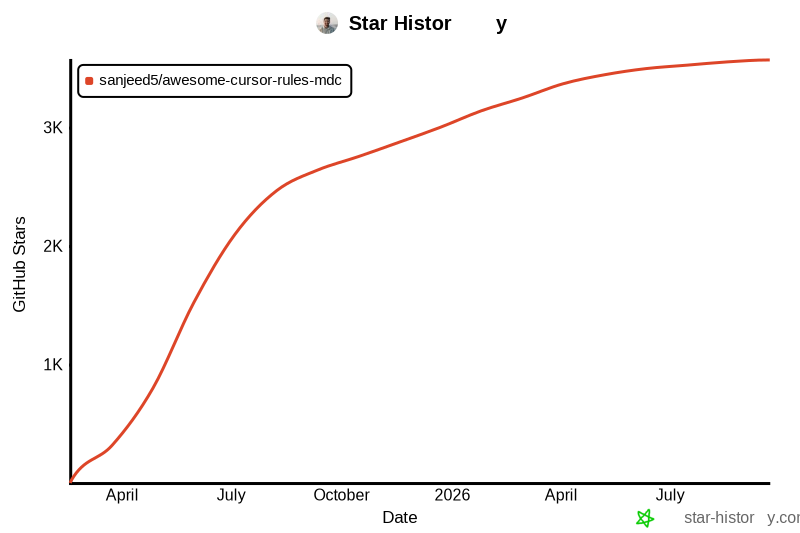](https://www.star-history.com/#sanjeed5/awesome-cursor-rules-mdc&Date)
|
||||
@@ -122,10 +120,6 @@ The script uses a `config.yaml` file for configuration. You can modify this file
|
||||
|
||||
```
|
||||
.
|
||||
├── cursor-rules-cli/ # CLI tool for finding and installing rules (deprecated)
|
||||
│ ├── src/ # CLI source code
|
||||
│ ├── docs/ # CLI documentation
|
||||
│ └── README.md # CLI usage instructions
|
||||
├── src/ # Main source code directory
|
||||
│ ├── generate_mdc_files.py # Main generator script
|
||||
│ ├── config.yaml # Configuration file
|
||||
|
||||
@@ -1,13 +0,0 @@
|
||||
[distutils]
|
||||
index-servers =
|
||||
pypi
|
||||
testpypi
|
||||
|
||||
[pypi]
|
||||
username = __token__
|
||||
password = your_pypi_token
|
||||
|
||||
[testpypi]
|
||||
repository = https://test.pypi.org/legacy/
|
||||
username = __token__
|
||||
password = your_testpypi_token
|
||||
@@ -1,21 +0,0 @@
|
||||
MIT License
|
||||
|
||||
Copyright (c) 2025 Sanjeed
|
||||
|
||||
Permission is hereby granted, free of charge, to any person obtaining a copy
|
||||
of this software and associated documentation files (the "Software"), to deal
|
||||
in the Software without restriction, including without limitation the rights
|
||||
to use, copy, modify, merge, publish, distribute, sublicense, and/or sell
|
||||
copies of the Software, and to permit persons to whom the Software is
|
||||
furnished to do so, subject to the following conditions:
|
||||
|
||||
The above copyright notice and this permission notice shall be included in all
|
||||
copies or substantial portions of the Software.
|
||||
|
||||
THE SOFTWARE IS PROVIDED "AS IS", WITHOUT WARRANTY OF ANY KIND, EXPRESS OR
|
||||
IMPLIED, INCLUDING BUT NOT LIMITED TO THE WARRANTIES OF MERCHANTABILITY,
|
||||
FITNESS FOR A PARTICULAR PURPOSE AND NONINFRINGEMENT. IN NO EVENT SHALL THE
|
||||
AUTHORS OR COPYRIGHT HOLDERS BE LIABLE FOR ANY CLAIM, DAMAGES OR OTHER
|
||||
LIABILITY, WHETHER IN AN ACTION OF CONTRACT, TORT OR OTHERWISE, ARISING FROM,
|
||||
OUT OF OR IN CONNECTION WITH THE SOFTWARE OR THE USE OR OTHER DEALINGS IN THE
|
||||
SOFTWARE.
|
||||
@@ -1,5 +0,0 @@
|
||||
include LICENSE
|
||||
include README.md
|
||||
include rules.json
|
||||
recursive-include src *.py
|
||||
recursive-include src *.json
|
||||
@@ -1,77 +0,0 @@
|
||||
# Publishing to PyPI
|
||||
|
||||
This document provides instructions for publishing the `cursor-rules` package to PyPI.
|
||||
|
||||
## Prerequisites
|
||||
|
||||
1. Create a PyPI account at https://pypi.org/account/register/
|
||||
2. Generate an API token at https://pypi.org/manage/account/token/
|
||||
3. Install required tools:
|
||||
```bash
|
||||
pip install build twine
|
||||
```
|
||||
|
||||
## Publishing Steps
|
||||
|
||||
1. Update the version in `src/__init__.py`
|
||||
|
||||
2. Build the package:
|
||||
```bash
|
||||
python -m build
|
||||
```
|
||||
|
||||
3. Test the package locally:
|
||||
```bash
|
||||
pip install --force-reinstall dist/cursor_rules-*.whl
|
||||
cursor-rules --help
|
||||
```
|
||||
|
||||
4. Upload to TestPyPI (optional):
|
||||
```bash
|
||||
python -m twine upload --repository testpypi dist/*
|
||||
```
|
||||
|
||||
5. Install from TestPyPI (optional):
|
||||
```bash
|
||||
pip install --index-url https://test.pypi.org/simple/ cursor-rules
|
||||
```
|
||||
|
||||
6. Upload to PyPI:
|
||||
```bash
|
||||
python -m twine upload dist/*
|
||||
```
|
||||
|
||||
## Using API Tokens
|
||||
|
||||
When using twine, you can either:
|
||||
|
||||
1. Create a `.pypirc` file in your home directory:
|
||||
```
|
||||
[distutils]
|
||||
index-servers =
|
||||
pypi
|
||||
testpypi
|
||||
|
||||
[pypi]
|
||||
username = __token__
|
||||
password = your_pypi_token
|
||||
|
||||
[testpypi]
|
||||
repository = https://test.pypi.org/legacy/
|
||||
username = __token__
|
||||
password = your_testpypi_token
|
||||
```
|
||||
|
||||
2. Or provide credentials via environment variables:
|
||||
```bash
|
||||
export TWINE_USERNAME=__token__
|
||||
export TWINE_PASSWORD=your_pypi_token
|
||||
```
|
||||
|
||||
3. Or enter them when prompted by twine.
|
||||
|
||||
## Updating the Package
|
||||
|
||||
1. Make your changes
|
||||
2. Update the version in `src/__init__.py`
|
||||
3. Rebuild and upload following the steps above
|
||||
@@ -1,97 +0,0 @@
|
||||
# Cursor Rules CLI
|
||||
|
||||
> **Disclaimer:** This project is not officially associated with or endorsed by Cursor. It is a community-driven initiative to enhance the Cursor experience.
|
||||
|
||||
<a href="https://www.producthunt.com/posts/cursor-rules-cli?embed=true&utm_source=badge-featured&utm_medium=badge&utm_souce=badge-cursor-rules-cli" target="_blank"><img src="https://api.producthunt.com/widgets/embed-image/v1/featured.svg?post_id=936513&theme=light&t=1741030422709" alt="Cursor Rules CLI - Auto-install relevant Cursor rules with one simple command | Product Hunt" style="width: 250px; height: 54px;" width="250" height="54" /></a>
|
||||
|
||||
A simple tool that helps you find and install the right Cursor rules for your project. It scans your project to identify libraries and frameworks you're using and suggests matching rules.
|
||||
|
||||

|
||||
|
||||
## Features
|
||||
|
||||
- 🔍 Auto-detects libraries in your project
|
||||
- 📝 Supports direct library specification
|
||||
- 📥 Downloads and installs rules into Cursor
|
||||
- 🎨 Provides a colorful, user-friendly interface
|
||||
- 🔀 Works with custom rule repositories
|
||||
- 🔒 100% privacy-focused (all scanning happens locally)
|
||||
- 🔄 GitHub API integration for reliable downloads
|
||||
|
||||
## Installation
|
||||
|
||||
```bash
|
||||
pip install cursor-rules
|
||||
```
|
||||
|
||||
## Basic Usage
|
||||
|
||||
```bash
|
||||
# Scan current project and install matching rules
|
||||
cursor-rules
|
||||
|
||||
# Specify libraries directly (skips project scanning)
|
||||
cursor-rules --libraries "react,tailwind,typescript"
|
||||
|
||||
# Scan a specific project directory
|
||||
cursor-rules -d /path/to/my/project
|
||||
```
|
||||
|
||||
## Common Options
|
||||
|
||||
| Option | Description |
|
||||
|--------|-------------|
|
||||
| `--dry-run` | Preview without installing anything |
|
||||
| `--force` | Replace existing rules |
|
||||
| `-v, --verbose` | Show detailed output |
|
||||
| `--quick-scan` | Faster scan (checks package files only) |
|
||||
| `--max-results N` | Show top N results (default: 20) |
|
||||
|
||||
## Custom Repositories
|
||||
|
||||
```bash
|
||||
# Use rules from your own GitHub repository
|
||||
cursor-rules --source https://github.com/your-username/your-repo
|
||||
|
||||
# Save repository setting for future use
|
||||
cursor-rules --source https://github.com/your-username/your-repo --save-config
|
||||
```
|
||||
|
||||
## Repository URL Format
|
||||
|
||||
The tool now uses the GitHub API to reliably download rules. You can specify the repository URL in several formats:
|
||||
|
||||
```bash
|
||||
# Standard GitHub repository URL (recommended)
|
||||
cursor-rules --source https://github.com/username/repo
|
||||
|
||||
# With a specific branch
|
||||
cursor-rules --source https://github.com/username/repo/tree/branch-name
|
||||
|
||||
# Legacy raw content URL will also work
|
||||
cursor-rules --source https://raw.githubusercontent.com/username/repo/branch
|
||||
```
|
||||
|
||||
## Configuration
|
||||
|
||||
```bash
|
||||
# View current settings
|
||||
cursor-rules --show-config
|
||||
|
||||
# Save settings globally
|
||||
cursor-rules --save-config
|
||||
|
||||
# Save settings for current project only
|
||||
cursor-rules --save-project-config
|
||||
```
|
||||
|
||||
## Full Options Reference
|
||||
|
||||
Run `cursor-rules --help` to see all available options.
|
||||
|
||||
## License
|
||||
|
||||
MIT
|
||||
|
||||
## Todo:
|
||||
- [ ] Test the custom repo feature
|
||||
@@ -1,7 +0,0 @@
|
||||
# About rules.json
|
||||
|
||||
This rules.json file is automatically copied from the project root.
|
||||
It is the source of truth for library detection rules.
|
||||
|
||||
DO NOT EDIT THIS FILE DIRECTLY.
|
||||
Instead, edit the main rules.json in the project root and run the generate_mdc_files.py script.
|
||||

Binary file not shown.
|
Before Width: | Height: | Size: 84 KiB |
@@ -1,77 +0,0 @@
|
||||
{"version": 2, "width": 93, "height": 21, "timestamp": 1741028347, "env": {"SHELL": "/bin/zsh", "TERM": "xterm-256color"}}
|
||||
[0.984595, "o", "\u001b[1m\u001b[7m%\u001b[27m\u001b[1m\u001b[0m \r \r"]
|
||||
[0.985302, "o", "\u001b]2;stylumia@Sanjeeds-MacBook-Air:~/projects/agents/smolagents-tutorials\u0007\u001b]1;..nts-tutorials\u0007"]
|
||||
[0.987528, "o", "\u001b]7;file://Sanjeeds-MacBook-Air.local/Users/stylumia/projects/agents/smolagents-tutorials\u001b\\"]
|
||||
[1.005076, "o", "\u001b]697;OSCUnlock=7b6883b11bfa4f3a909885153dc9f047\u0007\u001b]697;Dir=/Users/stylumia/projects/agents/smolagents-tutorials\u0007\u001b]697;Shell=zsh\u0007"]
|
||||
[1.005108, "o", "\u001b]697;ShellPath=/bin/zsh\u0007\u001b]697;PID=89174\u0007\u001b]697;ExitCode=0\u0007"]
|
||||
[1.005248, "o", "\u001b]697;TTY=/dev/ttys141\u0007\u001b]697;Log=\u0007\u001b]697;ZshAutosuggestionColor=fg=8\u0007"]
|
||||
[1.00539, "o", "\u001b]697;FigAutosuggestionColor=\u0007\u001b]697;User=stylumia\u0007"]
|
||||
[1.007315, "o", "\r\u001b[0m\u001b[27m\u001b[24m\u001b[J\u001b]697;StartPrompt\u0007\u001b[01;32m➜ \u001b[36msmolagents-tutorials\u001b[00m \u001b]697;EndPrompt\u0007\u001b]697;NewCmd=7b6883b11bfa4f3a909885153dc9f047\u0007"]
|
||||
[1.00733, "o", "\u001b[K\u001b[68C\u001b]697;StartPrompt\u0007\u001b]697;EndPrompt\u0007\u001b[68D"]
|
||||
[1.007538, "o", "\u001b[?1h\u001b=\u001b[?2004h"]
|
||||
[1.059751, "o", "\r\r\u001b[0m\u001b[27m\u001b[24m\u001b[J\u001b]697;StartPrompt\u0007\u001b[01;32m➜ \u001b[36msmolagents-tutorials\u001b[00m \u001b[01;34mgit:(\u001b[31mmain\u001b[34m) \u001b[33m✗\u001b[00m \u001b]697;EndPrompt\u0007\u001b]697;NewCmd=7b6883b11bfa4f3a909885153dc9f047\u0007\u001b[K\u001b[55C\u001b]697;StartPrompt\u0007\u001b]697;EndPrompt\u0007\u001b[55D"]
|
||||
[1.754231, "o", "c"]
|
||||
[1.766068, "o", "\b\u001b[1m\u001b[31mc\u001b[0m\u001b[39m"]
|
||||
[1.766439, "o", "\b\u001b[1m\u001b[31mc\u001b[0m\u001b[39m\u001b[90mlear\u001b[39m\b\b\b\b"]
|
||||
[1.939123, "o", "\b\u001b[1m\u001b[31mc\u001b[1m\u001b[31mu\u001b[0m\u001b[39m\u001b[39m \u001b[39m \u001b[39m \b\b\b"]
|
||||
[1.941497, "o", "\b\b\u001b[0m\u001b[32mc\u001b[0m\u001b[32mu\u001b[39m"]
|
||||
[1.941812, "o", "\u001b[90mrsor-rules\u001b[39m\u001b[10D"]
|
||||
[2.120794, "o", "\b\b\u001b[32mc\u001b[32mu\u001b[32mr\u001b[39m"]
|
||||
[2.126876, "o", "\b\b\b\u001b[1m\u001b[31mc\u001b[1m\u001b[31mu\u001b[1m\u001b[31mr\u001b[0m\u001b[39m"]
|
||||
[2.484178, "o", "\u001b[39ms\u001b[39mo\u001b[39mr\u001b[39m-\u001b[39mr\u001b[39mu\u001b[39ml\u001b[39me\u001b[39ms"]
|
||||
[2.486415, "o", "\u001b[12D\u001b[0m\u001b[32mc\u001b[0m\u001b[32mu\u001b[0m\u001b[32mr\u001b[32ms\u001b[32mo\u001b[32mr\u001b[32m-\u001b[32mr\u001b[32mu\u001b[32ml\u001b[32me\u001b[32ms\u001b[39m"]
|
||||
[2.939399, "o", "\u001b[?1l\u001b>"]
|
||||
[2.939717, "o", "\u001b[?2004l"]
|
||||
[2.941204, "o", "\r\r\n"]
|
||||
[2.942476, "o", "\u001b]697;OSCLock=7b6883b11bfa4f3a909885153dc9f047\u0007"]
|
||||
[2.942588, "o", "\u001b]697;PreExec\u0007"]
|
||||
[2.942643, "o", "\u001b]2;cursor-rules\u0007\u001b]1;cursor-rules\u0007"]
|
||||
[3.164394, "o", "\u001b[32mINFO\u001b[0m: Scanning for libraries and frameworks...\r\n"]
|
||||
[3.164481, "o", "\u001b[32mINFO\u001b[0m: Scanning for libraries and frameworks...\r\n"]
|
||||
[3.166587, "o", "\u001b[32mINFO\u001b[0m: Detected 135 libraries/frameworks.\r\n"]
|
||||
[3.166609, "o", "\u001b[32mINFO\u001b[0m: Finding relevant rules...\r\n"]
|
||||
[3.167137, "o", "\u001b[32mINFO\u001b[0m: Successfully loaded rules.json from /Users/stylumia/projects/awesome-cursor-rules-mdc/cursor-rules-cli/rules.json\r\n"]
|
||||
[3.168112, "o", "\u001b[32mINFO\u001b[0m: Found \u001b[32m20\u001b[0m relevant rule files.\r\n"]
|
||||
[3.16821, "o", "\r\n\u001b[1m\u001b[34mAvailable Cursor rules for your project:\u001b[0m\r\n\r\n\u001b[1m\u001b[32mDirect Dependencies:\u001b[0m\r\n\u001b[32m1.\u001b[0m \u001b[36mscikit-learn\u001b[0m [ai, ml, machine-learning, python, data-science] (0.87)\r\n\u001b[32m2.\u001b[0m \u001b[36mpandas\u001b[0m [ai, ml, data-science, python, data-analysis] (0.87)\r\n\u001b[32m3.\u001b[0m \u001b[36mnumpy\u001b[0m [ai, ml, data-science, python, numerical-computing] (0.87)\r\n\u001b[32m4.\u001b[0m \u001b[36mscipy\u001b[0m [ai, ml, data-science, python, scientific-computing] (0.87)\r\n\u001b[32m5.\u001b[0m \u001b[36mtornado\u001b[0m [backend, framework, python, async] (0.83)\r\n\u001b[32m6.\u001b[0m \u001b[36msmolagents\u001b[0m [ai, ml, llm, python, agent-framework, lightweight] (0.82)\r\n\u001b[32m7.\u001b[0m \u001b[36msqlalchemy\u001b[0m [database, orm, python, sql] (0.82)\r\n\u001b[32m8.\u001b[0m \u001b[36msetuptools\u001b[0m [development, build-tool, python, packaging] (0.82)\r\n\u001b[32m9.\u001b[0m \u001b[36mpydantic\u001b[0m [development, python, data-validation, type-checking] (0.82)\r\n\u001b[32m10.\u001b[0m \u001b[36mlangchain\u001b[0m [ai, ml, llm, python] (0.82)\r\n\u001b[32m11.\u001b[0m \u001b[36mhttpx\u001b[0m [web, python, http-client, async] (0.82)\r\n\u001b[32m12.\u001b[0m \u001b[36maiohttp\u001b[0m [web, pyt"]
|
||||
[3.168309, "o", "hon, http-client, async] (0.82)\r\n\u001b[32m13.\u001b[0m \u001b[36mtransformers\u001b[0m [python, nlp, deep-learning, huggingface] (0.82)\r\n\u001b[32m14.\u001b[0m \u001b[36mrich\u001b[0m [python, utilities, terminal, formatting] (0.82)\r\n\u001b[32m15.\u001b[0m \u001b[36mrequests\u001b[0m [web, python, http-client] (0.81)\r\n\u001b[32m16.\u001b[0m \u001b[36mbeautifulsoup4\u001b[0m [python, web-scraping, html-parsing] (0.81)\r\n\u001b[32m17.\u001b[0m \u001b[36manyio\u001b[0m [python, async, compatibility-layer] (0.81)\r\n\u001b[32m18.\u001b[0m \u001b[36mtqdm\u001b[0m [python, utilities, progress-bar] (0.81)\r\n\u001b[32m19.\u001b[0m \u001b[36mclick\u001b[0m [python, utilities, cli] (0.81)\r\n"]
|
||||
[3.168328, "o", "\r\n\u001b[1m\u001b[33mOther Relevant Rules:\u001b[0m\r\n\u001b[32m20.\u001b[0m \u001b[36mpytorch\u001b[0m [ai, ml, machine-learning, python, deep-learning] (0.82)\r\n\r\n\u001b[1mSelect rules to install:\u001b[0m\r\n \u001b[33m* Enter comma-separated numbers (e.g., 1,3,5)\u001b[0m\r\n \u001b[33m* Type 'all' to select all rules\u001b[0m\r\n \u001b[33m* Type 'category:name' to select all rules in a category (e.g., 'category:development')\u001b[0m\r\n \u001b[33m* Type 'none' to cancel\u001b[0m\r\n\u001b[32m> \u001b[0m"]
|
||||
[4.962026, "o", "6"]
|
||||
[5.205157, "o", ","]
|
||||
[5.755048, "o", "9"]
|
||||
[6.427783, "o", ","]
|
||||
[6.737927, "o", "1"]
|
||||
[7.081027, "o", "6"]
|
||||
[7.560083, "o", "\r\n"]
|
||||
[7.633727, "o", "\u001b[32mINFO\u001b[0m: Downloaded smolagents\r\n"]
|
||||
[7.847926, "o", "\u001b[32mINFO\u001b[0m: Downloaded beautifulsoup4\r\n"]
|
||||
[7.942039, "o", "\u001b[32mINFO\u001b[0m: Downloaded pydantic\r\n"]
|
||||
[7.94271, "o", "\u001b[32mINFO\u001b[0m: Successfully downloaded all 3 rules\r\n"]
|
||||
[7.944752, "o", "\u001b[32mINFO\u001b[0m: Backed up existing rules to /Users/stylumia/projects/agents/smolagents-tutorials/.cursor/backups/rules_backup_20250304_002915\r\n"]
|
||||
[7.944899, "o", "\u001b[33mWARNING\u001b[0m: \u001b[33mSkipping smolagents: Rule already exists (use --force to overwrite)\u001b[0m\r\n"]
|
||||
[7.946423, "o", "\u001b[32mINFO\u001b[0m: Installed 2/3 rules to /Users/stylumia/projects/agents/smolagents-tutorials/.cursor/rules\r\n"]
|
||||
[7.946532, "o", "\u001b[32mINFO\u001b[0m: \u001b[32m✅ Successfully installed 2 rules!\u001b[0m\r\n\u001b[33mWARNING\u001b[0m: \u001b[33m\u001b[33m⚠️ Failed to install 1 rules:\u001b[0m\u001b[0m\r\n"]
|
||||
[7.946792, "o", "\u001b[0m"]
|
||||
[7.976129, "o", "\u001b[1m\u001b[7m%\u001b[27m\u001b[1m\u001b[0m \r \r"]
|
||||
[7.977311, "o", "\u001b]2;stylumia@Sanjeeds-MacBook-Air:~/projects/agents/smolagents-tutorials\u0007\u001b]1;..nts-tutorials\u0007"]
|
||||
[7.980009, "o", "\u001b]7;file://Sanjeeds-MacBook-Air.local/Users/stylumia/projects/agents/smolagents-tutorials\u001b\\"]
|
||||
[7.992933, "o", "\u001b]697;OSCUnlock=7b6883b11bfa4f3a909885153dc9f047\u0007\u001b]697;Dir=/Users/stylumia/projects/agents/smolagents-tutorials\u0007"]
|
||||
[7.993049, "o", "\u001b]697;Shell=zsh\u0007\u001b]697;ShellPath=/bin/zsh\u0007"]
|
||||
[7.993191, "o", "\u001b]697;PID=89174\u0007\u001b]697;ExitCode=0\u0007\u001b]697;TTY=/dev/ttys141\u0007\u001b]697;Log=\u0007\u001b]697;ZshAutosuggestionColor=fg=8\u0007\u001b]697;FigAutosuggestionColor=\u0007\u001b]697;User=stylumia\u0007"]
|
||||
[7.99525, "o", "\r\u001b[0m\u001b[27m\u001b[24m\u001b[J\u001b]697;StartPrompt\u0007\u001b[01;32m➜ \u001b[36msmolagents-tutorials\u001b[00m \u001b[01;34mgit:(\u001b[31mmain\u001b[34m) \u001b[33m✗\u001b[00m \u001b]697;EndPrompt\u0007\u001b]697;NewCmd=7b6883b11bfa4f3a909885153dc9f047\u0007"]
|
||||
[7.995282, "o", "\u001b[K\u001b[55C\u001b]697;StartPrompt\u0007\u001b]697;EndPrompt\u0007\u001b[55D"]
|
||||
[7.995396, "o", "\u001b[?1h\u001b=\u001b[?2004h"]
|
||||
[9.5534, "o", "e"]
|
||||
[9.558133, "o", "\b\u001b[1m\u001b[31me\u001b[0m\u001b[39m"]
|
||||
[9.558402, "o", "\b\u001b[1m\u001b[31me\u001b[0m\u001b[39m\u001b[90mxit\u001b[39m\b\b\b"]
|
||||
[9.752584, "o", "\b\u001b[1m\u001b[31me\u001b[1m\u001b[31mx\u001b[0m\u001b[39m"]
|
||||
[9.754766, "o", "\b\b\u001b[0m\u001b[32me\u001b[0m\u001b[32mx\u001b[39m"]
|
||||
[9.912208, "o", "\b\b\u001b[32me\u001b[32mx\u001b[32mi\u001b[39m"]
|
||||
[9.916324, "o", "\b\b\b\u001b[1m\u001b[31me\u001b[1m\u001b[31mx\u001b[1m\u001b[31mi\u001b[0m\u001b[39m"]
|
||||
[10.150086, "o", "\b\u001b[1m\u001b[31mi\u001b[1m\u001b[31mt\u001b[0m\u001b[39m"]
|
||||
[10.152603, "o", "\b\b\b\b\u001b[0m\u001b[32me\u001b[0m\u001b[32mx\u001b[0m\u001b[32mi\u001b[0m\u001b[32mt\u001b[39m"]
|
||||
[10.996501, "o", "\u001b[?1l\u001b>"]
|
||||
[10.996806, "o", "\u001b[?2004l"]
|
||||
[10.998773, "o", "\r\r\n"]
|
||||
[11.000081, "o", "\u001b]697;OSCLock=7b6883b11bfa4f3a909885153dc9f047\u0007"]
|
||||
[11.000111, "o", "\u001b]697;PreExec\u0007"]
|
||||
[11.000504, "o", "\u001b]2;exit\u0007\u001b]1;exit\u0007"]
|
||||

Binary file not shown.
|
Before Width: | Height: | Size: 225 KiB |

Binary file not shown.
|
Before Width: | Height: | Size: 243 KiB |
@@ -1,3 +0,0 @@
|
||||
[build-system]
|
||||
requires = ["setuptools>=42", "wheel"]
|
||||
build-backend = "setuptools.build_meta"
|
||||
File diff suppressed because it is too large
Load Diff
@@ -1,78 +0,0 @@
|
||||
#!/usr/bin/env python
|
||||
"""
|
||||
Setup script for cursor-rules.
|
||||
"""
|
||||
|
||||
from setuptools import setup, find_packages
|
||||
import os
|
||||
import shutil
|
||||
from pathlib import Path
|
||||
|
||||
# Read version from __init__.py
|
||||
with open(os.path.join("src", "__init__.py"), "r") as f:
|
||||
for line in f:
|
||||
if line.startswith("__version__"):
|
||||
version = line.split("=")[1].strip().strip('"').strip("'")
|
||||
break
|
||||
else:
|
||||
version = "0.1.0"
|
||||
|
||||
# Read long description from README.md
|
||||
long_description = "A CLI tool to scan projects and install relevant Cursor rules (.mdc files)."
|
||||
readme_path = Path("README.md")
|
||||
if readme_path.exists():
|
||||
with open(readme_path, "r", encoding="utf-8") as f:
|
||||
long_description = f.read()
|
||||
|
||||
# Always copy the latest rules.json from project root to ensure consistency
|
||||
project_root = Path(__file__).parent.parent
|
||||
root_rules_json = project_root / "rules.json"
|
||||
package_rules_json = Path("rules.json")
|
||||
|
||||
if root_rules_json.exists():
|
||||
# Copy to package root only
|
||||
shutil.copy2(root_rules_json, package_rules_json)
|
||||
print(f"Copied rules.json from project root to package root")
|
||||
else:
|
||||
print("Warning: rules.json not found in project root")
|
||||
|
||||
setup(
|
||||
name="cursor-rules",
|
||||
version=version,
|
||||
description="A CLI tool to scan projects and install relevant Cursor rules",
|
||||
long_description=long_description,
|
||||
long_description_content_type="text/markdown",
|
||||
author="sanjeed5",
|
||||
author_email="hi@sanjeed.in",
|
||||
url="https://github.com/sanjeed5/awesome-cursor-rules-mdc",
|
||||
package_dir={"cursor_rules_cli": "src"},
|
||||
packages=["cursor_rules_cli"],
|
||||
include_package_data=True,
|
||||
package_data={
|
||||
"cursor_rules_cli": ["*.json"],
|
||||
},
|
||||
entry_points={
|
||||
"console_scripts": [
|
||||
"cursor-rules=cursor_rules_cli.main:main",
|
||||
],
|
||||
},
|
||||
python_requires=">=3.8",
|
||||
keywords="cursor, rules, mdc, cli",
|
||||
classifiers=[
|
||||
"Development Status :: 3 - Alpha",
|
||||
"Intended Audience :: Developers",
|
||||
"License :: OSI Approved :: MIT License",
|
||||
"Programming Language :: Python :: 3",
|
||||
"Programming Language :: Python :: 3.8",
|
||||
"Programming Language :: Python :: 3.9",
|
||||
"Programming Language :: Python :: 3.10",
|
||||
"Programming Language :: Python :: 3.11",
|
||||
],
|
||||
install_requires=[
|
||||
"requests>=2.25.0",
|
||||
"colorama>=0.4.4",
|
||||
"tqdm>=4.62.0",
|
||||
"urllib3>=2.0.0",
|
||||
"validators>=0.20.0",
|
||||
]
|
||||
)
|
||||
@@ -1,5 +0,0 @@
|
||||
"""
|
||||
Cursor Rules CLI - A tool to scan projects and suggest relevant Cursor rules
|
||||
"""
|
||||
|
||||
__version__ = "0.5.2"
|
||||
@@ -1,407 +0,0 @@
|
||||
"""
|
||||
Downloader module for downloading MDC rule files.
|
||||
|
||||
This module handles downloading the selected MDC rule files from the repository.
|
||||
"""
|
||||
|
||||
import os
|
||||
import time
|
||||
import logging
|
||||
import requests
|
||||
import re
|
||||
import base64
|
||||
from pathlib import Path
|
||||
from typing import Dict, List, Any, Optional, Tuple
|
||||
from concurrent.futures import ThreadPoolExecutor, as_completed
|
||||
from urllib3.util.retry import Retry
|
||||
from requests.adapters import HTTPAdapter
|
||||
from cursor_rules_cli import utils
|
||||
|
||||
logger = logging.getLogger(__name__)
|
||||
|
||||
# Rate limiting settings
|
||||
DEFAULT_RATE_LIMIT = 10 # requests per second
|
||||
DEFAULT_MAX_RETRIES = 3
|
||||
DEFAULT_RETRY_DELAY = 2 # seconds
|
||||
DEFAULT_TIMEOUT = 10 # seconds
|
||||
|
||||
class DownloadError(Exception):
|
||||
"""Custom exception for download errors."""
|
||||
pass
|
||||
|
||||
class ValidationError(Exception):
|
||||
"""Custom exception for validation errors."""
|
||||
pass
|
||||
|
||||
def extract_repo_info(source_url: str) -> Tuple[str, str, str]:
|
||||
"""
|
||||
Extract owner and repo name from GitHub URL.
|
||||
|
||||
Args:
|
||||
source_url: GitHub URL
|
||||
|
||||
Returns:
|
||||
Tuple of (owner, repo, branch)
|
||||
|
||||
Raises:
|
||||
ValueError: If URL is not a valid GitHub repository URL
|
||||
"""
|
||||
# Handle various GitHub URL formats
|
||||
github_patterns = [
|
||||
r"https?://github\.com/([^/]+)/([^/]+)(?:/tree/([^/]+))?", # github.com URLs
|
||||
r"https?://raw\.githubusercontent\.com/([^/]+)/([^/]+)/([^/]+)" # raw.githubusercontent.com URLs
|
||||
]
|
||||
|
||||
for pattern in github_patterns:
|
||||
match = re.match(pattern, source_url)
|
||||
if match:
|
||||
groups = match.groups()
|
||||
owner = groups[0]
|
||||
repo = groups[1]
|
||||
branch = groups[2] if len(groups) > 2 and groups[2] else "main"
|
||||
return owner, repo, branch
|
||||
|
||||
raise ValueError(f"Invalid GitHub URL format: {source_url}")
|
||||
|
||||
def create_session() -> requests.Session:
|
||||
"""
|
||||
Create a requests session with retry configuration.
|
||||
|
||||
Returns:
|
||||
Configured requests session
|
||||
"""
|
||||
session = requests.Session()
|
||||
|
||||
# Configure retry strategy
|
||||
retry_strategy = Retry(
|
||||
total=DEFAULT_MAX_RETRIES,
|
||||
backoff_factor=0.5,
|
||||
status_forcelist=[429, 500, 502, 503, 504],
|
||||
)
|
||||
|
||||
# Mount the retry adapter
|
||||
adapter = HTTPAdapter(max_retries=retry_strategy)
|
||||
session.mount("https://", adapter)
|
||||
session.mount("http://", adapter)
|
||||
|
||||
return session
|
||||
|
||||
def verify_source_url(source_url: str, session: requests.Session = None) -> Tuple[bool, str]:
|
||||
"""
|
||||
Verify that the source URL is a valid GitHub repository.
|
||||
|
||||
Args:
|
||||
source_url: GitHub repository URL
|
||||
session: Optional requests session to use
|
||||
|
||||
Returns:
|
||||
Tuple of (is_accessible: bool, error_message: str)
|
||||
"""
|
||||
if not session:
|
||||
session = create_session()
|
||||
|
||||
try:
|
||||
# Extract repo information
|
||||
owner, repo, branch = extract_repo_info(source_url)
|
||||
|
||||
# Check if the repository exists using GitHub API
|
||||
api_url = f"https://api.github.com/repos/{owner}/{repo}"
|
||||
response = session.get(api_url, timeout=DEFAULT_TIMEOUT)
|
||||
|
||||
if response.status_code >= 400:
|
||||
return False, f"GitHub repository not found: {owner}/{repo} (Status code: {response.status_code})"
|
||||
|
||||
# Check if the branch exists
|
||||
branches_url = f"{api_url}/branches/{branch}"
|
||||
response = session.get(branches_url, timeout=DEFAULT_TIMEOUT)
|
||||
|
||||
if response.status_code >= 400:
|
||||
return False, f"Branch not found: {branch} (Status code: {response.status_code})"
|
||||
|
||||
# Check if the rules-mdc directory exists
|
||||
contents_url = f"{api_url}/contents/rules-mdc?ref={branch}"
|
||||
response = session.get(contents_url, timeout=DEFAULT_TIMEOUT)
|
||||
|
||||
if response.status_code >= 400:
|
||||
return False, f"Rules directory not found: rules-mdc (Status code: {response.status_code})"
|
||||
|
||||
return True, ""
|
||||
except ValueError as e:
|
||||
return False, str(e)
|
||||
except requests.RequestException as e:
|
||||
return False, f"Failed to connect to GitHub: {e}"
|
||||
except Exception as e:
|
||||
return False, f"Unexpected error verifying source URL: {e}"
|
||||
|
||||
def download_rules(
|
||||
rules: List[Dict[str, Any]],
|
||||
source_url: str,
|
||||
temp_dir: Optional[Path] = None,
|
||||
rate_limit: int = DEFAULT_RATE_LIMIT,
|
||||
max_retries: int = DEFAULT_MAX_RETRIES,
|
||||
max_workers: int = 4,
|
||||
) -> List[Dict[str, Any]]:
|
||||
"""
|
||||
Download selected MDC rule files from GitHub.
|
||||
|
||||
Args:
|
||||
rules: List of rule metadata to download
|
||||
source_url: GitHub repository URL
|
||||
temp_dir: Temporary directory to store downloaded files
|
||||
rate_limit: Maximum requests per second
|
||||
max_retries: Maximum number of retries for failed downloads
|
||||
max_workers: Maximum number of concurrent downloads
|
||||
|
||||
Returns:
|
||||
List of downloaded rule metadata with local file paths
|
||||
|
||||
Raises:
|
||||
DownloadError: If there are critical download failures
|
||||
"""
|
||||
if not rules:
|
||||
logger.warning("No rules to download")
|
||||
return []
|
||||
|
||||
# Create temporary directory if not provided
|
||||
if temp_dir is None:
|
||||
temp_dir = Path.home() / ".cursor-rules-cli" / "temp"
|
||||
|
||||
temp_dir.mkdir(parents=True, exist_ok=True)
|
||||
logger.debug(f"Using temporary directory: {temp_dir}")
|
||||
|
||||
# Create rate limiter and session
|
||||
rate_limiter = utils.RateLimiter(rate_limit)
|
||||
session = create_session()
|
||||
|
||||
# Verify source URL is accessible
|
||||
is_accessible, error_msg = verify_source_url(source_url, session)
|
||||
if not is_accessible:
|
||||
logger.error(f"Source URL verification failed: {error_msg}")
|
||||
logger.error(f"Please check if the source URL is correct: {source_url}")
|
||||
raise DownloadError(f"Source URL is not accessible: {error_msg}")
|
||||
|
||||
# Get repository information
|
||||
try:
|
||||
owner, repo, branch = extract_repo_info(source_url)
|
||||
logger.info(f"Using GitHub repository: {owner}/{repo}, branch: {branch}")
|
||||
except ValueError as e:
|
||||
logger.error(f"Invalid GitHub URL: {str(e)}")
|
||||
raise DownloadError(f"Invalid GitHub URL: {str(e)}")
|
||||
|
||||
# Download rules in parallel
|
||||
downloaded_rules = []
|
||||
failed_downloads = []
|
||||
|
||||
with ThreadPoolExecutor(max_workers=max_workers) as executor:
|
||||
# Submit download tasks
|
||||
future_to_rule = {
|
||||
executor.submit(
|
||||
download_rule_from_github,
|
||||
rule,
|
||||
owner,
|
||||
repo,
|
||||
branch,
|
||||
temp_dir,
|
||||
rate_limiter,
|
||||
session,
|
||||
max_retries
|
||||
): rule for rule in rules
|
||||
}
|
||||
|
||||
# Process results as they complete
|
||||
for future in as_completed(future_to_rule):
|
||||
rule = future_to_rule[future]
|
||||
try:
|
||||
result = future.result()
|
||||
if result:
|
||||
downloaded_rules.append(result)
|
||||
logger.info(f"Downloaded {rule['name']}")
|
||||
else:
|
||||
failed_downloads.append(rule)
|
||||
logger.error(f"Failed to download {rule['name']}")
|
||||
except Exception as e:
|
||||
failed_downloads.append(rule)
|
||||
logger.error(f"Error downloading {rule['name']}: {str(e)}")
|
||||
|
||||
# Close the session
|
||||
session.close()
|
||||
|
||||
# Report download statistics
|
||||
total_rules = len(rules)
|
||||
success_count = len(downloaded_rules)
|
||||
failed_count = len(failed_downloads)
|
||||
|
||||
if failed_count > 0:
|
||||
failed_names = [rule['name'] for rule in failed_downloads]
|
||||
logger.warning(
|
||||
f"Downloaded {success_count}/{total_rules} rules. "
|
||||
f"Failed to download {failed_count} rules: {', '.join(failed_names)}"
|
||||
)
|
||||
if failed_count == total_rules:
|
||||
logger.error("All downloads failed. Please check your internet connection and the source URL.")
|
||||
logger.error(f"Source URL: {source_url}")
|
||||
raise DownloadError("All downloads failed. Check internet connection and source URL.")
|
||||
else:
|
||||
logger.info(f"Successfully downloaded all {success_count} rules")
|
||||
|
||||
return downloaded_rules
|
||||
|
||||
def download_rule_from_github(
|
||||
rule: Dict[str, Any],
|
||||
owner: str,
|
||||
repo: str,
|
||||
branch: str,
|
||||
temp_dir: Path,
|
||||
rate_limiter: utils.RateLimiter,
|
||||
session: requests.Session,
|
||||
max_retries: int,
|
||||
) -> Optional[Dict[str, Any]]:
|
||||
"""
|
||||
Download a single MDC rule file from GitHub with validation.
|
||||
|
||||
Args:
|
||||
rule: Rule metadata
|
||||
owner: GitHub repository owner
|
||||
repo: GitHub repository name
|
||||
branch: GitHub repository branch
|
||||
temp_dir: Temporary directory to store downloaded file
|
||||
rate_limiter: Rate limiter instance
|
||||
session: Requests session
|
||||
max_retries: Maximum number of retries
|
||||
|
||||
Returns:
|
||||
Updated rule metadata with local file path or None if failed
|
||||
|
||||
Raises:
|
||||
ValidationError: If the downloaded content fails validation
|
||||
"""
|
||||
name = rule["name"]
|
||||
file_path = f"rules-mdc/{name}.mdc"
|
||||
|
||||
# Create the GitHub API URL for the file
|
||||
api_url = f"https://api.github.com/repos/{owner}/{repo}/contents/{file_path}?ref={branch}"
|
||||
|
||||
# Create local file path
|
||||
local_path = temp_dir / f"{name}.mdc"
|
||||
|
||||
# Try to download the file
|
||||
for attempt in range(max_retries + 1):
|
||||
try:
|
||||
# Respect rate limit
|
||||
rate_limiter.wait()
|
||||
|
||||
# Download the file using GitHub API
|
||||
response = session.get(api_url, timeout=DEFAULT_TIMEOUT)
|
||||
response.raise_for_status()
|
||||
|
||||
# Extract content from GitHub API response
|
||||
data = response.json()
|
||||
if "content" not in data:
|
||||
raise ValidationError(f"GitHub API response doesn't contain file content for {name}")
|
||||
|
||||
# Decode base64 content
|
||||
content = base64.b64decode(data["content"].replace("\n", "")).decode("utf-8")
|
||||
|
||||
# Validate content
|
||||
is_valid, error_msg = utils.validate_mdc_content(content)
|
||||
if not is_valid:
|
||||
logger.error(f"Content validation failed for {name}: {error_msg}")
|
||||
raise ValidationError(f"Content validation failed: {error_msg}")
|
||||
|
||||
# Calculate content hash before saving
|
||||
content_hash = utils.calculate_content_hash(content)
|
||||
logger.debug(f"Content hash for {name}: {content_hash}")
|
||||
|
||||
# Save the file
|
||||
with open(local_path, "w", encoding="utf-8") as f:
|
||||
f.write(content)
|
||||
|
||||
# Verify the saved file
|
||||
saved_hash = utils.calculate_file_hash(local_path)
|
||||
logger.debug(f"Saved file hash for {name}: {saved_hash}")
|
||||
|
||||
if saved_hash != content_hash:
|
||||
logger.error(f"File integrity check failed for {name}. Content hash: {content_hash}, File hash: {saved_hash}")
|
||||
# Fix: Read the file back and compare the content
|
||||
with open(local_path, "r", encoding="utf-8") as f:
|
||||
saved_content = f.read()
|
||||
if content == saved_content:
|
||||
logger.info(f"Content matches but hashes differ for {name}. This may be due to line ending differences. Proceeding anyway.")
|
||||
# Update rule metadata and continue
|
||||
rule["local_path"] = str(local_path)
|
||||
rule["content"] = content
|
||||
rule["hash"] = saved_hash # Use the file hash since that's what we'll verify against later
|
||||
return rule
|
||||
else:
|
||||
logger.error(f"Content mismatch for {name}")
|
||||
raise ValidationError("File integrity check failed")
|
||||
|
||||
# Update rule metadata
|
||||
rule["local_path"] = str(local_path)
|
||||
rule["content"] = content
|
||||
rule["hash"] = content_hash
|
||||
|
||||
return rule
|
||||
|
||||
except requests.RequestException as e:
|
||||
if attempt < max_retries:
|
||||
delay = DEFAULT_RETRY_DELAY * (attempt + 1)
|
||||
logger.warning(f"Attempt {attempt + 1}/{max_retries + 1} failed for {name}: {e}")
|
||||
logger.warning(f"Retrying in {delay} seconds...")
|
||||
time.sleep(delay)
|
||||
else:
|
||||
logger.error(f"Failed to download {name} after {max_retries + 1} attempts: {e}")
|
||||
return None
|
||||
|
||||
except ValidationError as e:
|
||||
logger.error(f"Validation failed for {name}: {e}")
|
||||
return None
|
||||
|
||||
except Exception as e:
|
||||
logger.error(f"Unexpected error downloading {name}: {e}")
|
||||
return None
|
||||
|
||||
return None
|
||||
|
||||
def preview_rule_content(rule: Dict[str, Any], max_lines: int = 10) -> str:
|
||||
"""
|
||||
Generate a preview of the rule content.
|
||||
|
||||
Args:
|
||||
rule: Rule metadata with content
|
||||
max_lines: Maximum number of lines to include
|
||||
|
||||
Returns:
|
||||
Preview of the rule content
|
||||
"""
|
||||
if "content" not in rule:
|
||||
return "Content not available"
|
||||
|
||||
lines = rule["content"].splitlines()
|
||||
if len(lines) <= max_lines:
|
||||
return rule["content"]
|
||||
|
||||
# Show first few lines
|
||||
return "\n".join(lines[:max_lines]) + f"\n... (and {len(lines) - max_lines} more lines)"
|
||||
|
||||
if __name__ == "__main__":
|
||||
# For testing
|
||||
import json
|
||||
logging.basicConfig(level=logging.DEBUG)
|
||||
|
||||
# Example rule
|
||||
test_rule = {
|
||||
"name": "react",
|
||||
"tags": ["frontend", "framework", "javascript"],
|
||||
"path": "rules-mdc/react.mdc",
|
||||
"url": "https://raw.githubusercontent.com/sanjeed5/awesome-cursor-rules-mdc/main/rules-mdc/react.mdc",
|
||||
"description": "react (frontend, framework, javascript)",
|
||||
}
|
||||
|
||||
# Test download
|
||||
downloaded = download_rules([test_rule], "")
|
||||
|
||||
if downloaded:
|
||||
print(f"Downloaded rule: {downloaded[0]['name']}")
|
||||
print("Preview:")
|
||||
print(preview_rule_content(downloaded[0]))
|
||||
@@ -1,183 +0,0 @@
|
||||
"""
|
||||
Installer module for installing MDC rule files.
|
||||
|
||||
This module handles installing the downloaded MDC rule files to the project's
|
||||
.cursor/rules directory.
|
||||
"""
|
||||
|
||||
import os
|
||||
import shutil
|
||||
import logging
|
||||
from pathlib import Path
|
||||
from typing import Dict, List, Any, Optional
|
||||
from datetime import datetime
|
||||
|
||||
logger = logging.getLogger(__name__)
|
||||
|
||||
def install_rules(
|
||||
rules: List[Dict[str, Any]],
|
||||
force: bool = False,
|
||||
cursor_dir: Optional[Path] = None,
|
||||
backup: bool = True,
|
||||
) -> Dict[str, List]:
|
||||
"""
|
||||
Install downloaded MDC rule files to the project's .cursor/rules directory.
|
||||
|
||||
Args:
|
||||
rules: List of rule metadata with local file paths
|
||||
force: Whether to overwrite existing rules
|
||||
cursor_dir: Path to .cursor directory (defaults to ./.cursor in current directory)
|
||||
backup: Whether to backup existing rules
|
||||
|
||||
Returns:
|
||||
Dictionary with 'installed' and 'failed' lists
|
||||
"""
|
||||
result = {
|
||||
"installed": [],
|
||||
"failed": []
|
||||
}
|
||||
|
||||
if not rules:
|
||||
logger.warning("No rules to install")
|
||||
return result
|
||||
|
||||
# Determine .cursor directory - use project local directory
|
||||
if cursor_dir is None:
|
||||
cursor_dir = Path.cwd() / ".cursor"
|
||||
|
||||
# Create rules directory if it doesn't exist
|
||||
rules_dir = cursor_dir / "rules"
|
||||
rules_dir.mkdir(parents=True, exist_ok=True)
|
||||
|
||||
logger.debug(f"Installing rules to {rules_dir}")
|
||||
|
||||
# Backup existing rules if needed
|
||||
if backup and any(rules_dir.glob("*.mdc")):
|
||||
backup_dir = create_backup(rules_dir)
|
||||
if backup_dir:
|
||||
logger.info(f"Backed up existing rules to {backup_dir}")
|
||||
|
||||
# Install each rule
|
||||
for rule in rules:
|
||||
if "local_path" not in rule:
|
||||
failure = {
|
||||
"rule": rule,
|
||||
"error": "No local file path"
|
||||
}
|
||||
result["failed"].append(failure)
|
||||
logger.warning(f"Skipping {rule['name']}: No local file path")
|
||||
continue
|
||||
|
||||
# Determine target path
|
||||
target_path = rules_dir / f"{rule['name']}.mdc"
|
||||
|
||||
# Check if rule already exists
|
||||
if target_path.exists() and not force:
|
||||
failure = {
|
||||
"rule": rule,
|
||||
"error": "Rule already exists (use --force to overwrite)"
|
||||
}
|
||||
result["failed"].append(failure)
|
||||
logger.warning(f"Skipping {rule['name']}: Rule already exists (use --force to overwrite)")
|
||||
continue
|
||||
|
||||
# Copy the rule file
|
||||
try:
|
||||
shutil.copy2(rule["local_path"], target_path)
|
||||
logger.debug(f"Installed {rule['name']} to {target_path}")
|
||||
result["installed"].append(rule)
|
||||
except IOError as e:
|
||||
failure = {
|
||||
"rule": rule,
|
||||
"error": str(e)
|
||||
}
|
||||
result["failed"].append(failure)
|
||||
logger.error(f"Failed to install {rule['name']}: {e}")
|
||||
|
||||
logger.info(f"Installed {len(result['installed'])}/{len(rules)} rules to {rules_dir}")
|
||||
return result
|
||||
|
||||
def create_backup(rules_dir: Path) -> Optional[Path]:
|
||||
"""
|
||||
Create a backup of existing rules in the project directory.
|
||||
|
||||
Args:
|
||||
rules_dir: Path to .cursor/rules directory
|
||||
|
||||
Returns:
|
||||
Path to backup directory or None if failed
|
||||
"""
|
||||
timestamp = datetime.now().strftime("%Y%m%d_%H%M%S")
|
||||
# Keep backups in the project directory under .cursor/backups
|
||||
backup_dir = rules_dir.parent / "backups" / f"rules_backup_{timestamp}"
|
||||
|
||||
try:
|
||||
# Create backup directory
|
||||
backup_dir.mkdir(parents=True, exist_ok=True)
|
||||
|
||||
# Copy existing rules
|
||||
for rule_file in rules_dir.glob("*.mdc"):
|
||||
shutil.copy2(rule_file, backup_dir / rule_file.name)
|
||||
|
||||
return backup_dir
|
||||
except IOError as e:
|
||||
logger.error(f"Failed to create backup: {e}")
|
||||
return None
|
||||
|
||||
def list_installed_rules(cursor_dir: Optional[Path] = None) -> List[Dict[str, Any]]:
|
||||
"""
|
||||
List installed MDC rule files.
|
||||
|
||||
Args:
|
||||
cursor_dir: Path to .cursor directory (defaults to ./.cursor in current directory)
|
||||
|
||||
Returns:
|
||||
List of installed rule metadata
|
||||
"""
|
||||
# Determine .cursor directory - use project local directory
|
||||
if cursor_dir is None:
|
||||
cursor_dir = Path.cwd() / ".cursor"
|
||||
|
||||
rules_dir = cursor_dir / "rules"
|
||||
|
||||
if not rules_dir.exists():
|
||||
logger.debug(f"Rules directory not found: {rules_dir}")
|
||||
return []
|
||||
|
||||
installed_rules = []
|
||||
for rule_file in rules_dir.glob("*.mdc"):
|
||||
# Extract rule name from filename
|
||||
name = rule_file.stem
|
||||
|
||||
# Read first few lines to extract description
|
||||
try:
|
||||
with open(rule_file, "r", encoding="utf-8") as f:
|
||||
content = f.read(1000) # Read first 1000 chars
|
||||
|
||||
# Try to extract description from frontmatter
|
||||
description = name
|
||||
if "description:" in content:
|
||||
desc_line = [line for line in content.split("\n") if "description:" in line]
|
||||
if desc_line:
|
||||
description = desc_line[0].split("description:")[1].strip()
|
||||
except IOError:
|
||||
description = name
|
||||
|
||||
installed_rules.append({
|
||||
"name": name,
|
||||
"path": str(rule_file),
|
||||
"description": description,
|
||||
})
|
||||
|
||||
return installed_rules
|
||||
|
||||
if __name__ == "__main__":
|
||||
# For testing
|
||||
import sys
|
||||
logging.basicConfig(level=logging.DEBUG)
|
||||
|
||||
# List installed rules
|
||||
rules = list_installed_rules()
|
||||
print(f"Installed rules: {len(rules)}")
|
||||
for rule in rules:
|
||||
print(f" - {rule['name']}: {rule['description']}")
|
||||
@@ -1,592 +0,0 @@
|
||||
#!/usr/bin/env python
|
||||
"""
|
||||
cursor-rules-cli: A tool to scan projects and suggest relevant Cursor rules
|
||||
|
||||
This module serves as the entry point for the CLI tool.
|
||||
"""
|
||||
|
||||
import os
|
||||
import sys
|
||||
import logging
|
||||
import argparse
|
||||
from pathlib import Path
|
||||
from typing import Dict, Any, List
|
||||
import json
|
||||
from colorama import Fore, Style, init as init_colorama
|
||||
|
||||
# Initialize colorama
|
||||
init_colorama()
|
||||
|
||||
# Import local modules
|
||||
from cursor_rules_cli.scanner import scan_project, scan_package_files
|
||||
from cursor_rules_cli.matcher import match_libraries
|
||||
from cursor_rules_cli.downloader import download_rules
|
||||
from cursor_rules_cli.installer import install_rules
|
||||
from cursor_rules_cli.utils import (
|
||||
load_config, save_config, get_config_file,
|
||||
load_project_config, save_project_config, get_project_config_file,
|
||||
merge_configs, validate_github_repo, DEFAULT_RULES_PATH
|
||||
)
|
||||
|
||||
# Configure logging with colors
|
||||
class ColoredFormatter(logging.Formatter):
|
||||
"""Custom formatter to add colors to log messages."""
|
||||
|
||||
COLORS = {
|
||||
'DEBUG': Fore.CYAN,
|
||||
'INFO': Fore.GREEN,
|
||||
'WARNING': Fore.YELLOW,
|
||||
'ERROR': Fore.RED,
|
||||
'CRITICAL': Fore.RED + Style.BRIGHT
|
||||
}
|
||||
|
||||
def format(self, record):
|
||||
levelname = record.levelname
|
||||
if levelname in self.COLORS:
|
||||
record.levelname = f"{self.COLORS[levelname]}{levelname}{Style.RESET_ALL}"
|
||||
if record.levelno >= logging.WARNING:
|
||||
record.msg = f"{self.COLORS[levelname]}{record.msg}{Style.RESET_ALL}"
|
||||
return super().format(record)
|
||||
|
||||
# Configure logging
|
||||
handler = logging.StreamHandler()
|
||||
handler.setFormatter(ColoredFormatter("%(levelname)s: %(message)s"))
|
||||
logging.basicConfig(
|
||||
level=logging.INFO,
|
||||
handlers=[handler]
|
||||
)
|
||||
logger = logging.getLogger(__name__)
|
||||
|
||||
def parse_args():
|
||||
"""Parse command line arguments."""
|
||||
parser = argparse.ArgumentParser(
|
||||
description="Scan your project and install relevant Cursor rules (.mdc files)."
|
||||
)
|
||||
|
||||
parser.add_argument(
|
||||
"-d", "--directory",
|
||||
default=".",
|
||||
help="Project directory to scan (default: current directory)"
|
||||
)
|
||||
|
||||
parser.add_argument(
|
||||
"--dry-run",
|
||||
action="store_true",
|
||||
help="Show what would be done without making changes"
|
||||
)
|
||||
|
||||
parser.add_argument(
|
||||
"--force",
|
||||
action="store_true",
|
||||
help="Force overwrite existing rules"
|
||||
)
|
||||
|
||||
parser.add_argument(
|
||||
"--source",
|
||||
default="https://github.com/sanjeed5/awesome-cursor-rules-mdc",
|
||||
help="GitHub repository URL for downloading rules"
|
||||
)
|
||||
|
||||
parser.add_argument(
|
||||
"--custom-repo",
|
||||
default=None,
|
||||
help="GitHub username/repo for a forked repository (e.g., 'username/repo')"
|
||||
)
|
||||
|
||||
parser.add_argument(
|
||||
"--set-repo",
|
||||
action="store_true",
|
||||
help="Set custom repository without running scan"
|
||||
)
|
||||
|
||||
parser.add_argument(
|
||||
"--rules-json",
|
||||
default=None,
|
||||
help="Path to custom rules.json file"
|
||||
)
|
||||
|
||||
parser.add_argument(
|
||||
"--save-config",
|
||||
action="store_true",
|
||||
help="Save current settings as default configuration"
|
||||
)
|
||||
|
||||
parser.add_argument(
|
||||
"--save-project-config",
|
||||
action="store_true",
|
||||
help="Save current settings as project-specific configuration"
|
||||
)
|
||||
|
||||
parser.add_argument(
|
||||
"--show-config",
|
||||
action="store_true",
|
||||
help="Show current configuration"
|
||||
)
|
||||
|
||||
parser.add_argument(
|
||||
"--quick-scan",
|
||||
action="store_true",
|
||||
help="Perform a quick scan (only check package files, not imports)"
|
||||
)
|
||||
|
||||
parser.add_argument(
|
||||
"--max-results",
|
||||
type=int,
|
||||
default=20,
|
||||
help="Maximum number of rules to display (default: 20)"
|
||||
)
|
||||
|
||||
parser.add_argument(
|
||||
"--min-score",
|
||||
type=float,
|
||||
default=0.5,
|
||||
help="Minimum relevance score for rules (0-1, default: 0.5)"
|
||||
)
|
||||
|
||||
parser.add_argument(
|
||||
"--libraries",
|
||||
type=str,
|
||||
help="Comma-separated list of libraries to match directly (e.g., 'react,vue,django')"
|
||||
)
|
||||
|
||||
parser.add_argument(
|
||||
"-v", "--verbose",
|
||||
action="store_true",
|
||||
help="Enable verbose output"
|
||||
)
|
||||
|
||||
return parser.parse_args()
|
||||
|
||||
def display_config(config: Dict[str, Any], global_config: Dict[str, Any], project_config: Dict[str, Any]):
|
||||
"""Display the current configuration."""
|
||||
print(f"\n{Style.BRIGHT}{Fore.BLUE}Current Configuration:{Style.RESET_ALL}")
|
||||
|
||||
# First display CLI-wide settings
|
||||
cli_wide_settings = ["custom_repo", "source"]
|
||||
if any(setting in config for setting in cli_wide_settings):
|
||||
print(f"\n{Fore.BLUE}CLI-wide settings:{Style.RESET_ALL}")
|
||||
for key in cli_wide_settings:
|
||||
if key in config:
|
||||
source = f" {Fore.GREEN}(global){Style.RESET_ALL}" if key in global_config else f" {Fore.YELLOW}(default){Style.RESET_ALL}"
|
||||
print(f" {Fore.BLUE}{key}{Style.RESET_ALL}: {config[key]}{source}")
|
||||
|
||||
# Then display project-specific settings
|
||||
project_settings = [k for k in config.keys() if k not in cli_wide_settings]
|
||||
if project_settings:
|
||||
print(f"\n{Fore.BLUE}Project-specific settings:{Style.RESET_ALL}")
|
||||
for key in project_settings:
|
||||
source = ""
|
||||
if key in project_config:
|
||||
source = f" {Fore.CYAN}(project){Style.RESET_ALL}"
|
||||
elif key in global_config:
|
||||
source = f" {Fore.GREEN}(global){Style.RESET_ALL}"
|
||||
else:
|
||||
source = f" {Fore.YELLOW}(default){Style.RESET_ALL}"
|
||||
|
||||
print(f" {Fore.BLUE}{key}{Style.RESET_ALL}: {config[key]}{source}")
|
||||
|
||||
print()
|
||||
|
||||
def main():
|
||||
"""Main entry point for the CLI."""
|
||||
# Parse command line arguments
|
||||
args = parse_args()
|
||||
|
||||
# Convert directory to Path
|
||||
project_dir = Path(args.directory).resolve()
|
||||
|
||||
# Load configurations
|
||||
global_config = load_config()
|
||||
project_config = load_project_config(project_dir)
|
||||
|
||||
# Merge configurations (project config takes precedence)
|
||||
config = merge_configs(global_config, project_config)
|
||||
|
||||
# Ensure rules_json is in config
|
||||
if "rules_json" not in config:
|
||||
config["rules_json"] = str(DEFAULT_RULES_PATH)
|
||||
|
||||
# Ensure source is in config
|
||||
if "source" not in config:
|
||||
config["source"] = "https://raw.githubusercontent.com/sanjeed5/awesome-cursor-rules-mdc/main"
|
||||
|
||||
# Handle direct library input if provided
|
||||
libraries_directly_provided = False
|
||||
if args.libraries:
|
||||
libraries = [lib.strip() for lib in args.libraries.split(",") if lib.strip()]
|
||||
if not libraries:
|
||||
logger.error("No valid libraries provided")
|
||||
return 1
|
||||
logger.info(f"Using directly provided libraries: {', '.join(libraries)}")
|
||||
detected_libraries = libraries
|
||||
libraries_directly_provided = True
|
||||
else:
|
||||
# Run the scanning phase
|
||||
try:
|
||||
# Use quick scan if requested
|
||||
scan_start_msg = "Quick scanning" if args.quick_scan else "Scanning"
|
||||
logger.info(f"{scan_start_msg} for libraries and frameworks...")
|
||||
|
||||
# Scan project for libraries
|
||||
logger.info("Scanning for libraries and frameworks...")
|
||||
detected_libraries = scan_project(
|
||||
project_dir=project_dir,
|
||||
quick_scan=args.quick_scan,
|
||||
rules_path=config["rules_json"],
|
||||
use_cache=not args.force
|
||||
)
|
||||
|
||||
# Get direct match libraries from package files
|
||||
direct_match_libraries = scan_package_files(Path(project_dir))
|
||||
|
||||
logger.info(f"Detected {len(detected_libraries)} libraries/frameworks.")
|
||||
|
||||
# Match libraries with rules
|
||||
logger.info("Finding relevant rules...")
|
||||
matching_rules = match_libraries(
|
||||
detected_libraries=detected_libraries,
|
||||
source_url=config["source"],
|
||||
direct_match_libraries=direct_match_libraries,
|
||||
custom_json_path=config["rules_json"],
|
||||
max_results=args.max_results,
|
||||
min_score=args.min_score
|
||||
)
|
||||
|
||||
if not matching_rules:
|
||||
logger.warning("No matching libraries found for your project.")
|
||||
return 0
|
||||
|
||||
logger.info(f"Found {Fore.GREEN}{len(matching_rules)}{Style.RESET_ALL} relevant rule files.")
|
||||
|
||||
# Display and select rules to download
|
||||
selected_rules = display_matched_rules(matching_rules, args.max_results)
|
||||
|
||||
if not selected_rules:
|
||||
logger.info("No rules selected. Exiting.")
|
||||
return 0
|
||||
|
||||
# Download selected rules
|
||||
if args.dry_run:
|
||||
logger.info(f"{Fore.YELLOW}DRY RUN:{Style.RESET_ALL} Would download the following rules:")
|
||||
for rule in selected_rules:
|
||||
logger.info(f" - {Fore.CYAN}{rule}{Style.RESET_ALL}")
|
||||
else:
|
||||
try:
|
||||
# Normalize source URL if needed (remove trailing slashes)
|
||||
source_url = config["source"].rstrip('/')
|
||||
|
||||
# Log source information
|
||||
logger.info(f"Using source URL: {source_url}")
|
||||
|
||||
# Download selected rules
|
||||
downloaded_rules = download_rules(selected_rules, source_url)
|
||||
|
||||
# Install downloaded rules
|
||||
result = install_rules(downloaded_rules, force=args.force)
|
||||
|
||||
if result["installed"]:
|
||||
logger.info(f"{Fore.GREEN}✅ Successfully installed {len(result['installed'])} rules!{Style.RESET_ALL}")
|
||||
|
||||
if result["failed"]:
|
||||
logger.warning(f"{Fore.YELLOW}⚠️ Failed to install {len(result['failed'])} rules:{Style.RESET_ALL}")
|
||||
for rule in result["failed"]:
|
||||
logger.warning(f" - {Fore.CYAN}{rule}{Style.RESET_ALL}")
|
||||
except Exception as e:
|
||||
logger.error(f"An error occurred: {str(e)}")
|
||||
return 1
|
||||
|
||||
except KeyboardInterrupt:
|
||||
logger.info(f"\n{Fore.YELLOW}Operation cancelled by user.{Style.RESET_ALL}")
|
||||
return 130
|
||||
except Exception as e:
|
||||
logger.error(f"An error occurred: {e}")
|
||||
if args.verbose:
|
||||
import traceback
|
||||
traceback.print_exc()
|
||||
return 1
|
||||
|
||||
# Override config with command line arguments
|
||||
if args.custom_repo is not None:
|
||||
# Validate custom repo if provided
|
||||
if args.custom_repo and not validate_github_repo(args.custom_repo):
|
||||
logger.error(f"{Fore.RED}Invalid GitHub repository: {args.custom_repo}{Style.RESET_ALL}")
|
||||
logger.error(f"{Fore.RED}Repository must exist and contain a rules.json file.{Style.RESET_ALL}")
|
||||
return 1
|
||||
config["custom_repo"] = args.custom_repo
|
||||
elif "custom_repo" not in config:
|
||||
config["custom_repo"] = None
|
||||
|
||||
if args.rules_json is not None:
|
||||
config["rules_json"] = args.rules_json
|
||||
elif "rules_json" not in config:
|
||||
config["rules_json"] = str(DEFAULT_RULES_PATH)
|
||||
|
||||
if args.source != "https://raw.githubusercontent.com/sanjeed5/awesome-cursor-rules-mdc/main":
|
||||
config["source"] = args.source
|
||||
elif "source" not in config:
|
||||
config["source"] = "https://raw.githubusercontent.com/sanjeed5/awesome-cursor-rules-mdc/main"
|
||||
|
||||
# Set custom repository without running scan if requested
|
||||
if args.set_repo:
|
||||
if args.custom_repo is None:
|
||||
logger.error(f"{Fore.RED}Please specify a custom repository with --custom-repo.{Style.RESET_ALL}")
|
||||
return 1
|
||||
|
||||
global_config["custom_repo"] = config["custom_repo"]
|
||||
save_config(global_config)
|
||||
logger.info(f"{Fore.GREEN}Custom repository set to: {config['custom_repo']}{Style.RESET_ALL}")
|
||||
return 0
|
||||
|
||||
# Show configuration if requested
|
||||
if args.show_config:
|
||||
display_config(config, global_config, project_config)
|
||||
return 0
|
||||
|
||||
# Save configuration if requested
|
||||
if args.save_config:
|
||||
# For custom repo, only save to global config, not project config
|
||||
global_config_to_save = global_config.copy()
|
||||
if "custom_repo" in config:
|
||||
global_config_to_save["custom_repo"] = config["custom_repo"]
|
||||
if "source" in config:
|
||||
global_config_to_save["source"] = config["source"]
|
||||
|
||||
save_config(global_config_to_save)
|
||||
logger.info(f"{Fore.GREEN}Global configuration saved successfully.{Style.RESET_ALL}")
|
||||
if not args.directory or args.directory == ".":
|
||||
return 0
|
||||
|
||||
if args.save_project_config:
|
||||
# Don't include custom_repo in project config
|
||||
project_config_to_save = {k: v for k, v in config.items() if k not in ["custom_repo", "source"]}
|
||||
save_project_config(project_dir, project_config_to_save)
|
||||
logger.info(f"{Fore.GREEN}Project configuration saved to {project_dir / '.cursor-rules-cli.json'}{Style.RESET_ALL}")
|
||||
if not args.directory or args.directory == ".":
|
||||
return 0
|
||||
|
||||
# Set log level based on verbosity
|
||||
if args.verbose:
|
||||
logging.getLogger().setLevel(logging.DEBUG)
|
||||
|
||||
logger.info(f"{Style.BRIGHT}{Fore.BLUE}Cursor Rules CLI{Style.RESET_ALL}")
|
||||
logger.info(f"Scanning project directory: {Fore.CYAN}{os.path.abspath(args.directory)}{Style.RESET_ALL}")
|
||||
|
||||
# Handle custom repository if specified
|
||||
source_url = config["source"]
|
||||
if config["custom_repo"]:
|
||||
source_url = f"https://raw.githubusercontent.com/{config['custom_repo']}/main"
|
||||
logger.info(f"Using custom repository: {Fore.CYAN}{config['custom_repo']}{Style.RESET_ALL}")
|
||||
|
||||
# Run the scanning phase only if libraries were not directly provided
|
||||
try:
|
||||
# Skip scanning if libraries were directly provided
|
||||
if not libraries_directly_provided:
|
||||
# Use quick scan if requested
|
||||
scan_start_msg = "Quick scanning" if args.quick_scan else "Scanning"
|
||||
logger.info(f"{scan_start_msg} for libraries and frameworks...")
|
||||
|
||||
# Scan project for libraries
|
||||
logger.info("Scanning for libraries and frameworks...")
|
||||
detected_libraries = scan_project(
|
||||
project_dir=project_dir,
|
||||
quick_scan=args.quick_scan,
|
||||
rules_path=config["rules_json"],
|
||||
use_cache=not args.force
|
||||
)
|
||||
|
||||
# Get direct match libraries from package files
|
||||
direct_match_libraries = scan_package_files(Path(project_dir))
|
||||
|
||||
logger.info(f"Detected {len(detected_libraries)} libraries/frameworks.")
|
||||
else:
|
||||
# For directly provided libraries, we don't need to scan package files
|
||||
direct_match_libraries = set(detected_libraries)
|
||||
logger.info(f"{Fore.CYAN}Skipping project scan - using directly provided libraries only{Style.RESET_ALL}")
|
||||
|
||||
# Match libraries with rules
|
||||
logger.info("Finding relevant rules...")
|
||||
matching_rules = match_libraries(
|
||||
detected_libraries=detected_libraries,
|
||||
source_url=source_url,
|
||||
direct_match_libraries=direct_match_libraries,
|
||||
custom_json_path=config["rules_json"],
|
||||
max_results=args.max_results,
|
||||
min_score=args.min_score
|
||||
)
|
||||
|
||||
if not matching_rules:
|
||||
logger.warning("No matching libraries found for your project.")
|
||||
return 0
|
||||
|
||||
logger.info(f"Found {Fore.GREEN}{len(matching_rules)}{Style.RESET_ALL} relevant rule files.")
|
||||
|
||||
# Display and select rules to download
|
||||
selected_rules = display_matched_rules(matching_rules, args.max_results)
|
||||
|
||||
if not selected_rules:
|
||||
logger.info("No rules selected. Exiting.")
|
||||
return 0
|
||||
|
||||
# Download selected rules
|
||||
if args.dry_run:
|
||||
logger.info(f"{Fore.YELLOW}DRY RUN:{Style.RESET_ALL} Would download the following rules:")
|
||||
for rule in selected_rules:
|
||||
logger.info(f" - {Fore.CYAN}{rule}{Style.RESET_ALL}")
|
||||
else:
|
||||
downloaded_rules = download_rules(selected_rules, source_url)
|
||||
|
||||
# Install downloaded rules
|
||||
result = install_rules(downloaded_rules, force=args.force)
|
||||
|
||||
if result["installed"]:
|
||||
logger.info(f"{Fore.GREEN}✅ Successfully installed {len(result['installed'])} rules!{Style.RESET_ALL}")
|
||||
|
||||
if result["failed"]:
|
||||
logger.warning(f"{Fore.YELLOW}⚠️ Failed to install {len(result['failed'])} rules:{Style.RESET_ALL}")
|
||||
for rule in result["failed"]:
|
||||
logger.warning(f" - {Fore.CYAN}{rule}{Style.RESET_ALL}")
|
||||
|
||||
return 0
|
||||
|
||||
except KeyboardInterrupt:
|
||||
logger.info(f"\n{Fore.YELLOW}Operation cancelled by user.{Style.RESET_ALL}")
|
||||
return 130
|
||||
except Exception as e:
|
||||
logger.error(f"An error occurred: {e}")
|
||||
if args.verbose:
|
||||
import traceback
|
||||
traceback.print_exc()
|
||||
return 1
|
||||
|
||||
def group_rules_by_category(rules: List[Dict[str, Any]]) -> Dict[str, List[Dict[str, Any]]]:
|
||||
"""
|
||||
Group rules by their category.
|
||||
|
||||
Args:
|
||||
rules: List of rule dictionaries with category information
|
||||
|
||||
Returns:
|
||||
Dictionary mapping categories to lists of rules
|
||||
"""
|
||||
categories = {}
|
||||
|
||||
for rule in rules:
|
||||
category = rule.get("category", "other")
|
||||
if category not in categories:
|
||||
categories[category] = []
|
||||
categories[category].append(rule)
|
||||
|
||||
return categories
|
||||
|
||||
def get_category_display_name(category: str) -> str:
|
||||
"""
|
||||
Get a display name for a category.
|
||||
|
||||
Args:
|
||||
category: Category key
|
||||
|
||||
Returns:
|
||||
Display name for the category
|
||||
"""
|
||||
category_names = {
|
||||
"development": "Development Tools",
|
||||
"frontend": "Frontend Frameworks & Libraries",
|
||||
"backend": "Backend Frameworks & Libraries",
|
||||
"database": "Database & ORM",
|
||||
"ai_ml": "AI & Machine Learning",
|
||||
"devops": "DevOps & Cloud",
|
||||
"utilities": "Utilities & CLI Tools",
|
||||
"other": "Other Libraries",
|
||||
}
|
||||
|
||||
return category_names.get(category, category.title())
|
||||
|
||||
def display_matched_rules(matched_rules: List[Dict[str, Any]], max_results: int = 20) -> List[Dict[str, Any]]:
|
||||
"""
|
||||
Display matched rules and return selected rule objects.
|
||||
|
||||
Args:
|
||||
matched_rules: List of matched rules
|
||||
max_results: Maximum number of rules to display
|
||||
|
||||
Returns:
|
||||
List of selected rule objects
|
||||
"""
|
||||
if not matched_rules:
|
||||
logger.info("No relevant rules found for your project.")
|
||||
return []
|
||||
|
||||
# Group rules by category (direct_match vs others)
|
||||
direct_matches = []
|
||||
other_matches = []
|
||||
|
||||
for rule in matched_rules:
|
||||
# Check if this is a direct match from package files
|
||||
if rule.get("is_direct_match", False):
|
||||
direct_matches.append(rule)
|
||||
else:
|
||||
other_matches.append(rule)
|
||||
|
||||
# Sort each group by relevance score
|
||||
direct_matches.sort(key=lambda x: x["relevance_score"], reverse=True)
|
||||
other_matches.sort(key=lambda x: x["relevance_score"], reverse=True)
|
||||
|
||||
# Combine the lists with direct matches first
|
||||
sorted_rules = direct_matches + other_matches
|
||||
|
||||
# Limit to max_results
|
||||
display_rules = sorted_rules[:max_results]
|
||||
|
||||
# Display rules
|
||||
print(f"\n{Style.BRIGHT}{Fore.BLUE}Available Cursor rules for your project:{Style.RESET_ALL}\n")
|
||||
|
||||
# Display direct matches first
|
||||
if direct_matches:
|
||||
print(f"{Style.BRIGHT}{Fore.GREEN}Direct Dependencies:{Style.RESET_ALL}")
|
||||
for i, rule in enumerate([r for r in display_rules if r.get("is_direct_match", False)], 1):
|
||||
tags = f"[{', '.join(rule.get('tags', []))}]" if rule.get('tags') else ""
|
||||
score = f"({rule['relevance_score']:.2f})"
|
||||
print(f"{Fore.GREEN}{i}.{Style.RESET_ALL} {Fore.CYAN}{rule['rule']}{Style.RESET_ALL} {tags} {score}")
|
||||
|
||||
# Display other matches
|
||||
if other_matches and any(not r.get("is_direct_match", False) for r in display_rules):
|
||||
print(f"\n{Style.BRIGHT}{Fore.YELLOW}Other Relevant Rules:{Style.RESET_ALL}")
|
||||
# Continue numbering from where direct matches left off
|
||||
start_idx = len([r for r in display_rules if r.get("is_direct_match", False)]) + 1
|
||||
for i, rule in enumerate([r for r in display_rules if not r.get("is_direct_match", False)], start_idx):
|
||||
tags = f"[{', '.join(rule.get('tags', []))}]" if rule.get('tags') else ""
|
||||
score = f"({rule['relevance_score']:.2f})"
|
||||
print(f"{Fore.GREEN}{i}.{Style.RESET_ALL} {Fore.CYAN}{rule['rule']}{Style.RESET_ALL} {tags} {score}")
|
||||
|
||||
# Get user selection
|
||||
print(f"\n{Style.BRIGHT}Select rules to install:{Style.RESET_ALL}")
|
||||
print(f" {Fore.YELLOW}* Enter comma-separated numbers (e.g., 1,3,5){Style.RESET_ALL}")
|
||||
print(f" {Fore.YELLOW}* Type 'all' to select all rules{Style.RESET_ALL}")
|
||||
print(f" {Fore.YELLOW}* Type 'category:name' to select all rules in a category (e.g., 'category:development'){Style.RESET_ALL}")
|
||||
print(f" {Fore.YELLOW}* Type 'none' to cancel{Style.RESET_ALL}")
|
||||
|
||||
selection = input(f"{Fore.GREEN}> {Style.RESET_ALL}").strip().lower()
|
||||
|
||||
if selection == "none":
|
||||
logger.info("No rules selected. Exiting.")
|
||||
return []
|
||||
|
||||
if selection == "all":
|
||||
return display_rules
|
||||
|
||||
if selection.startswith("category:"):
|
||||
category = selection.split(":", 1)[1]
|
||||
return [
|
||||
rule for rule in display_rules
|
||||
if category in rule.get("tags", [])
|
||||
]
|
||||
|
||||
try:
|
||||
indices = [int(idx.strip()) for idx in selection.split(",") if idx.strip()]
|
||||
return [display_rules[idx - 1] for idx in indices if 1 <= idx <= len(display_rules)]
|
||||
except (ValueError, IndexError):
|
||||
logger.error(f"{Fore.RED}Invalid selection. Please try again.{Style.RESET_ALL}")
|
||||
return display_matched_rules(matched_rules, max_results)
|
||||
|
||||
if __name__ == "__main__":
|
||||
sys.exit(main())
|
||||
@@ -1,365 +0,0 @@
|
||||
"""
|
||||
Matcher module for matching detected libraries with MDC rules.
|
||||
|
||||
This module matches detected libraries with MDC rules based on relevance scores,
|
||||
library relationships, and project context.
|
||||
"""
|
||||
|
||||
import os
|
||||
import json
|
||||
import logging
|
||||
from pathlib import Path
|
||||
from typing import Dict, List, Set, Optional, Any, Tuple
|
||||
from cursor_rules_cli import utils
|
||||
|
||||
logger = logging.getLogger(__name__)
|
||||
|
||||
# Minimum relevance score for a rule to be considered
|
||||
MIN_RELEVANCE_SCORE = 0.5
|
||||
|
||||
# Maximum number of rules to return
|
||||
MAX_RULES = 10
|
||||
|
||||
def match_libraries(
|
||||
detected_libraries: List[str],
|
||||
source_url: str,
|
||||
direct_match_libraries: Optional[Set[str]] = None,
|
||||
custom_json_path: Optional[Path] = None,
|
||||
max_results: int = MAX_RULES,
|
||||
min_score: float = MIN_RELEVANCE_SCORE
|
||||
) -> List[Dict[str, Any]]:
|
||||
"""
|
||||
Match detected libraries with available rules.
|
||||
|
||||
Args:
|
||||
detected_libraries: List of detected libraries
|
||||
source_url: Base URL for the repository
|
||||
direct_match_libraries: Set of libraries that are direct matches from package files
|
||||
custom_json_path: Path to custom rules.json file
|
||||
max_results: Maximum number of rules to return
|
||||
min_score: Minimum relevance score for rules
|
||||
|
||||
Returns:
|
||||
List of matched rules with metadata
|
||||
"""
|
||||
# Create a RuleMatcher instance
|
||||
matcher = RuleMatcher(
|
||||
rules_path=str(custom_json_path) if custom_json_path else None,
|
||||
min_relevance_score=min_score,
|
||||
max_rules=max_results
|
||||
)
|
||||
|
||||
# Match rules
|
||||
matched_rules = matcher.match_rules(detected_libraries)
|
||||
|
||||
# Add URL and other metadata to each rule
|
||||
for rule in matched_rules:
|
||||
rule_name = rule.get("rule")
|
||||
rule["name"] = rule_name
|
||||
# We don't construct a URL here anymore - the downloader will handle this using GitHub API
|
||||
|
||||
# Mark direct matches
|
||||
if direct_match_libraries and rule_name.lower() in (lib.lower() for lib in direct_match_libraries):
|
||||
rule["is_direct_match"] = True
|
||||
else:
|
||||
rule["is_direct_match"] = False
|
||||
|
||||
return matched_rules
|
||||
|
||||
class RuleMatcher:
|
||||
"""
|
||||
Class for matching detected libraries with MDC rules.
|
||||
"""
|
||||
|
||||
def __init__(
|
||||
self,
|
||||
rules_path: str = None,
|
||||
use_cache: bool = True,
|
||||
min_relevance_score: float = MIN_RELEVANCE_SCORE,
|
||||
max_rules: int = MAX_RULES
|
||||
):
|
||||
"""
|
||||
Initialize the RuleMatcher.
|
||||
|
||||
Args:
|
||||
rules_path: Path to rules.json file
|
||||
use_cache: Whether to use caching
|
||||
min_relevance_score: Minimum relevance score for a rule
|
||||
max_rules: Maximum number of rules to return
|
||||
"""
|
||||
self.rules_path = rules_path
|
||||
self.use_cache = use_cache
|
||||
self.min_relevance_score = min_relevance_score
|
||||
self.max_rules = max_rules
|
||||
|
||||
# Load library data from rules.json
|
||||
self.library_data = utils.load_library_data(rules_path)
|
||||
|
||||
# Create library mappings
|
||||
self._create_library_mappings()
|
||||
|
||||
def _create_library_mappings(self):
|
||||
"""Create mappings for efficient library lookups."""
|
||||
self.lib_to_tags = {}
|
||||
self.tag_to_libs = {}
|
||||
self.lib_to_related = {}
|
||||
|
||||
if not self.library_data or "libraries" not in self.library_data:
|
||||
return
|
||||
|
||||
for lib in self.library_data["libraries"]:
|
||||
lib_name = lib["name"].lower()
|
||||
|
||||
# Map library to its tags
|
||||
tags = lib.get("tags", [])
|
||||
self.lib_to_tags[lib_name] = set(tags)
|
||||
|
||||
# Map tags to libraries
|
||||
for tag in tags:
|
||||
if tag not in self.tag_to_libs:
|
||||
self.tag_to_libs[tag] = set()
|
||||
self.tag_to_libs[tag].add(lib_name)
|
||||
|
||||
# Map library to related libraries
|
||||
related = lib.get("related", [])
|
||||
self.lib_to_related[lib_name] = set(related)
|
||||
|
||||
def match_rules(
|
||||
self,
|
||||
detected_libraries: List[str],
|
||||
project_context: Optional[Dict[str, float]] = None
|
||||
) -> List[Dict[str, Any]]:
|
||||
"""
|
||||
Match detected libraries with MDC rules.
|
||||
|
||||
Args:
|
||||
detected_libraries: List of detected libraries
|
||||
project_context: Optional project context scores
|
||||
|
||||
Returns:
|
||||
List of matched rules with relevance scores
|
||||
"""
|
||||
if not self.library_data or "libraries" not in self.library_data:
|
||||
logger.warning("No libraries found in rules.json")
|
||||
return []
|
||||
|
||||
# Check cache first
|
||||
if self.use_cache:
|
||||
cache_key = utils.create_cache_key(
|
||||
",".join(sorted(detected_libraries)),
|
||||
str(project_context),
|
||||
self.min_relevance_score,
|
||||
self.max_rules
|
||||
)
|
||||
cached_data = utils.get_cached_data(cache_key)
|
||||
if cached_data:
|
||||
logger.debug("Using cached rule matches")
|
||||
return cached_data
|
||||
|
||||
# Normalize library names
|
||||
normalized_libs = {
|
||||
utils.normalize_library_name(lib, self.library_data)
|
||||
for lib in detected_libraries
|
||||
}
|
||||
|
||||
# Get project context if not provided
|
||||
if project_context is None:
|
||||
project_context = utils.get_project_context(normalized_libs, self.library_data)
|
||||
|
||||
# Calculate relevance scores for each library in rules.json
|
||||
library_scores = []
|
||||
for library in self.library_data["libraries"]:
|
||||
score = self._calculate_library_relevance(
|
||||
library,
|
||||
normalized_libs,
|
||||
project_context
|
||||
)
|
||||
|
||||
if score >= self.min_relevance_score:
|
||||
library_scores.append((library, score))
|
||||
|
||||
# Sort libraries by relevance score
|
||||
library_scores.sort(key=lambda x: x[1], reverse=True)
|
||||
|
||||
# Format results
|
||||
results = []
|
||||
for library, score in library_scores[:self.max_rules]:
|
||||
result = {
|
||||
"rule": library["name"],
|
||||
"relevance_score": round(score, 3),
|
||||
"description": f"{library['name']} ({', '.join(library.get('tags', []))})",
|
||||
"tags": library.get("tags", []),
|
||||
"libraries": [library["name"]],
|
||||
"category": self._categorize_library(library, normalized_libs)
|
||||
}
|
||||
results.append(result)
|
||||
|
||||
# Cache results
|
||||
if self.use_cache:
|
||||
utils.set_cached_data(cache_key, results)
|
||||
|
||||
return results
|
||||
|
||||
def _calculate_library_relevance(
|
||||
self,
|
||||
library: Dict[str, Any],
|
||||
detected_libs: Set[str],
|
||||
project_context: Dict[str, float]
|
||||
) -> float:
|
||||
"""
|
||||
Calculate relevance score for a library.
|
||||
|
||||
Args:
|
||||
library: Library data
|
||||
detected_libs: Set of detected libraries
|
||||
project_context: Project context scores
|
||||
|
||||
Returns:
|
||||
Relevance score between 0 and 1
|
||||
"""
|
||||
# Direct match score
|
||||
lib_name = library["name"].lower()
|
||||
direct_match = 1.0 if lib_name in detected_libs else 0.0
|
||||
|
||||
# Tag similarity score
|
||||
tag_score = self._calculate_tag_similarity_score(library, detected_libs)
|
||||
|
||||
# Context score from project type and tags
|
||||
context_score = self._calculate_context_score(library, project_context)
|
||||
|
||||
# Combine scores with weights
|
||||
weights = {
|
||||
"direct_match": 0.8,
|
||||
"tag_similarity": 0.15,
|
||||
"context": 0.05
|
||||
}
|
||||
|
||||
total_score = (
|
||||
weights["direct_match"] * direct_match +
|
||||
weights["tag_similarity"] * tag_score +
|
||||
weights["context"] * context_score
|
||||
)
|
||||
|
||||
return total_score
|
||||
|
||||
def _calculate_context_score(
|
||||
self,
|
||||
library: Dict[str, Any],
|
||||
project_context: Dict[str, float]
|
||||
) -> float:
|
||||
"""
|
||||
Calculate context match score for a library.
|
||||
|
||||
Args:
|
||||
library: Library data
|
||||
project_context: Project context scores
|
||||
|
||||
Returns:
|
||||
Score between 0 and 1
|
||||
"""
|
||||
library_tags = set(library.get("tags", []))
|
||||
if not library_tags or not project_context:
|
||||
return 0
|
||||
|
||||
# Calculate weighted average of context scores for matching tags
|
||||
total_score = 0
|
||||
total_weight = 0
|
||||
|
||||
for tag in library_tags:
|
||||
if tag in project_context:
|
||||
weight = project_context[tag]
|
||||
total_score += weight
|
||||
total_weight += 1
|
||||
|
||||
return total_score / total_weight if total_weight > 0 else 0
|
||||
|
||||
def _calculate_tag_similarity_score(
|
||||
self,
|
||||
library: Dict[str, Any],
|
||||
detected_libs: Set[str]
|
||||
) -> float:
|
||||
"""
|
||||
Calculate tag similarity score for a library.
|
||||
|
||||
Args:
|
||||
library: Library data
|
||||
detected_libs: Set of detected libraries
|
||||
|
||||
Returns:
|
||||
Score between 0 and 1
|
||||
"""
|
||||
library_tags = set(library.get("tags", []))
|
||||
if not library_tags:
|
||||
return 0
|
||||
|
||||
# Get all tags from detected libraries
|
||||
lib_tags = set()
|
||||
for lib in detected_libs:
|
||||
if lib in self.lib_to_tags:
|
||||
lib_tags.update(self.lib_to_tags[lib])
|
||||
|
||||
if not lib_tags:
|
||||
return 0
|
||||
|
||||
# Calculate Jaccard similarity
|
||||
intersection = library_tags & lib_tags
|
||||
union = library_tags | lib_tags
|
||||
|
||||
return len(intersection) / len(union)
|
||||
|
||||
def _categorize_library(
|
||||
self,
|
||||
library: Dict[str, Any],
|
||||
detected_libs: Set[str]
|
||||
) -> str:
|
||||
"""
|
||||
Categorize a library based on its relationship to detected libraries.
|
||||
|
||||
Args:
|
||||
library: Library data
|
||||
detected_libs: Set of detected libraries
|
||||
|
||||
Returns:
|
||||
Category string
|
||||
"""
|
||||
lib_name = library["name"].lower()
|
||||
|
||||
# Check for direct matches
|
||||
if lib_name in detected_libs:
|
||||
return "direct_match"
|
||||
|
||||
# Check for tag matches
|
||||
library_tags = set(library.get("tags", []))
|
||||
lib_tags = set()
|
||||
for lib in detected_libs:
|
||||
if lib in self.lib_to_tags:
|
||||
lib_tags.update(self.lib_to_tags[lib])
|
||||
|
||||
if library_tags & lib_tags:
|
||||
return "tag_match"
|
||||
|
||||
return "suggested"
|
||||
|
||||
if __name__ == "__main__":
|
||||
# For testing
|
||||
import sys
|
||||
logging.basicConfig(level=logging.DEBUG)
|
||||
|
||||
if len(sys.argv) > 1:
|
||||
rules_path = sys.argv[1]
|
||||
else:
|
||||
rules_path = None
|
||||
|
||||
# Example usage
|
||||
matcher = RuleMatcher(rules_path)
|
||||
detected_libs = ["react", "next-js", "tailwindcss"]
|
||||
matched_rules = matcher.match_rules(detected_libs)
|
||||
|
||||
print("\nDetected libraries:", detected_libs)
|
||||
print("\nMatched rules:")
|
||||
for rule in matched_rules:
|
||||
print(f"\n{rule['rule']} (score: {rule['relevance_score']}):")
|
||||
print(f" Category: {rule['category']}")
|
||||
print(f" Description: {rule['description']}")
|
||||
print(f" Tags: {', '.join(rule['tags'])}")
|
||||
print(f" Libraries: {', '.join(rule['libraries'])}")
|
||||
@@ -1,620 +0,0 @@
|
||||
"""
|
||||
Scanner module for detecting libraries and frameworks in a project.
|
||||
|
||||
This module scans a project directory to identify which libraries and frameworks
|
||||
are being used based on package manager files, import statements, and
|
||||
framework-specific file patterns.
|
||||
"""
|
||||
|
||||
import os
|
||||
import json
|
||||
import logging
|
||||
import re
|
||||
from pathlib import Path
|
||||
from typing import Dict, List, Set, Optional, Tuple, Any
|
||||
from concurrent.futures import ThreadPoolExecutor, as_completed
|
||||
from cursor_rules_cli import utils
|
||||
|
||||
logger = logging.getLogger(__name__)
|
||||
|
||||
# File patterns to look for
|
||||
PACKAGE_PATTERNS = {
|
||||
"node": [
|
||||
"package.json",
|
||||
"yarn.lock",
|
||||
"pnpm-lock.yaml",
|
||||
"package-lock.json"
|
||||
],
|
||||
"python": [
|
||||
"requirements.txt",
|
||||
"pyproject.toml",
|
||||
"Pipfile",
|
||||
"setup.py",
|
||||
"uv.lock",
|
||||
"poetry.lock",
|
||||
"conda.yaml",
|
||||
"environment.yml"
|
||||
],
|
||||
"php": ["composer.json", "composer.lock"],
|
||||
"rust": ["Cargo.toml", "Cargo.lock"],
|
||||
"go": ["go.mod", "go.sum"],
|
||||
"ruby": ["Gemfile", "Gemfile.lock"],
|
||||
"java": ["pom.xml", "build.gradle", "build.gradle.kts"],
|
||||
"dotnet": ["*.csproj", "*.fsproj", "*.vbproj", "packages.config"],
|
||||
}
|
||||
|
||||
# Framework-specific file patterns
|
||||
FRAMEWORK_PATTERNS = {
|
||||
"react": ["src/App.jsx", "src/App.tsx", "src/App.js", "public/index.html"],
|
||||
"vue": ["src/App.vue", "src/main.js", "public/index.html"],
|
||||
"angular": ["angular.json", "src/app/app.module.ts"],
|
||||
"next-js": ["next.config.js", "pages/_app.js", "pages/_app.tsx"],
|
||||
"nuxt": ["nuxt.config.js", "nuxt.config.ts"],
|
||||
"svelte": ["svelte.config.js", "src/App.svelte"],
|
||||
"django": ["manage.py", "wsgi.py", "asgi.py"],
|
||||
"flask": ["app.py", "wsgi.py", "application.py"],
|
||||
"fastapi": ["main.py"],
|
||||
"express": ["app.js", "server.js"],
|
||||
"nestjs": ["nest-cli.json", "src/main.ts"],
|
||||
"laravel": ["artisan", "composer.json"],
|
||||
"spring-boot": ["src/main/java", "src/main/resources/application.properties"],
|
||||
}
|
||||
|
||||
# Import patterns for different languages
|
||||
IMPORT_PATTERNS = {
|
||||
"python": {
|
||||
"files": ["*.py"],
|
||||
"regex": [
|
||||
r"(?:^|\n)\s*(?:import|from)\s+([a-zA-Z0-9_.]+)",
|
||||
r"(?:^|\n)\s*from\s+([a-zA-Z0-9_.]+)\s+import",
|
||||
r"(?:^|\n)\s*__import__\(['\"]([a-zA-Z0-9_.]+)['\"]\)",
|
||||
r"(?:^|\n)\s*importlib\.import_module\(['\"]([a-zA-Z0-9_.]+)['\"]\)"
|
||||
]
|
||||
},
|
||||
"javascript": {
|
||||
"files": ["*.js", "*.jsx", "*.ts", "*.tsx"],
|
||||
"regex": [
|
||||
r"(?:^|\n)\s*import\s+.*?(?:from\s+['\"]([^'\"]+)['\"]|['\"]([^'\"]+)['\"])",
|
||||
r"(?:^|\n)\s*require\(['\"]([^'\"]+)['\"]\)",
|
||||
r"(?:^|\n)\s*import\(['\"]([^'\"]+)['\"]\)"
|
||||
]
|
||||
},
|
||||
"php": {
|
||||
"files": ["*.php"],
|
||||
"regex": [
|
||||
r"(?:^|\n)\s*(?:use|require|include|require_once|include_once)\s+['\"]?([a-zA-Z0-9_\\/.]+)",
|
||||
r"(?:^|\n)\s*namespace\s+([a-zA-Z0-9_\\/.]+)"
|
||||
]
|
||||
},
|
||||
"java": {
|
||||
"files": ["*.java"],
|
||||
"regex": [
|
||||
r"(?:^|\n)\s*import\s+([a-zA-Z0-9_.]+)",
|
||||
r"(?:^|\n)\s*package\s+([a-zA-Z0-9_.]+)"
|
||||
]
|
||||
},
|
||||
"rust": {
|
||||
"files": ["*.rs"],
|
||||
"regex": [
|
||||
r"(?:^|\n)\s*(?:use|extern\s+crate)\s+([a-zA-Z0-9_:]+)",
|
||||
r"(?:^|\n)\s*mod\s+([a-zA-Z0-9_]+)"
|
||||
]
|
||||
},
|
||||
}
|
||||
|
||||
# Directories to exclude from scanning
|
||||
EXCLUDED_DIRS = [
|
||||
"node_modules",
|
||||
"venv",
|
||||
".venv",
|
||||
"env",
|
||||
".env",
|
||||
"__pycache__",
|
||||
".git",
|
||||
".github",
|
||||
".idea",
|
||||
".vscode",
|
||||
"dist",
|
||||
"build",
|
||||
"target",
|
||||
"out",
|
||||
"bin",
|
||||
"obj",
|
||||
".next",
|
||||
".nuxt",
|
||||
".svelte-kit",
|
||||
".cache",
|
||||
".pytest_cache",
|
||||
".mypy_cache",
|
||||
".ruff_cache",
|
||||
"site-packages",
|
||||
"lib/python*",
|
||||
]
|
||||
|
||||
# Maximum directory depth for import scanning
|
||||
MAX_SCAN_DEPTH = 5
|
||||
|
||||
def scan_project(
|
||||
project_dir: str,
|
||||
quick_scan: bool = False,
|
||||
max_depth: int = MAX_SCAN_DEPTH,
|
||||
rules_path: str = None,
|
||||
max_workers: int = None,
|
||||
use_cache: bool = True
|
||||
) -> List[str]:
|
||||
"""
|
||||
Scan a project directory to detect libraries and frameworks.
|
||||
|
||||
Args:
|
||||
project_dir: Path to the project directory
|
||||
quick_scan: If True, only scan package files, not imports
|
||||
max_depth: Maximum directory depth for scanning
|
||||
rules_path: Path to rules.json file
|
||||
max_workers: Maximum number of worker threads (None for CPU count)
|
||||
use_cache: Whether to use caching
|
||||
|
||||
Returns:
|
||||
List of detected libraries and frameworks
|
||||
"""
|
||||
project_path = Path(project_dir).resolve()
|
||||
logger.debug(f"Scanning project at {project_path}")
|
||||
|
||||
# Check cache first
|
||||
if use_cache:
|
||||
cache_key = utils.create_cache_key(
|
||||
str(project_path),
|
||||
quick_scan,
|
||||
max_depth,
|
||||
rules_path
|
||||
)
|
||||
cached_data = utils.get_cached_data(cache_key)
|
||||
if cached_data:
|
||||
logger.debug("Using cached scan results")
|
||||
return cached_data
|
||||
|
||||
# Load library data from rules.json
|
||||
library_data = utils.load_library_data(rules_path)
|
||||
|
||||
# Track both the libraries and their sources
|
||||
detected_libraries = set()
|
||||
direct_match_libraries = set() # Track direct matches separately
|
||||
|
||||
with ThreadPoolExecutor(max_workers=max_workers) as executor:
|
||||
# Submit package file scanning first to identify direct dependencies
|
||||
package_files_future = executor.submit(scan_package_files, project_path)
|
||||
|
||||
# Submit other scanning tasks
|
||||
future_to_task = {
|
||||
executor.submit(scan_docker_files, project_path): "docker_files",
|
||||
executor.submit(scan_github_actions, project_path): "github_actions",
|
||||
executor.submit(detect_frameworks, project_path): "frameworks"
|
||||
}
|
||||
|
||||
# Process package files result first to identify direct dependencies
|
||||
try:
|
||||
direct_matches = package_files_future.result()
|
||||
detected_libraries.update(direct_matches)
|
||||
direct_match_libraries.update(direct_matches) # Mark as direct matches
|
||||
logger.debug(f"Completed package_files scan, found {len(direct_matches)} direct dependencies")
|
||||
except Exception as e:
|
||||
logger.error(f"Error in package_files scan: {e}")
|
||||
|
||||
# Add import scanning if not quick scan
|
||||
if not quick_scan:
|
||||
future_to_task[executor.submit(scan_imports, project_path, max_depth)] = "imports"
|
||||
|
||||
# Process results from other scanning tasks
|
||||
for future in as_completed(future_to_task):
|
||||
task_name = future_to_task[future]
|
||||
try:
|
||||
result = future.result()
|
||||
detected_libraries.update(result)
|
||||
logger.debug(f"Completed {task_name} scan")
|
||||
except Exception as e:
|
||||
logger.error(f"Error in {task_name} scan: {e}")
|
||||
|
||||
# Normalize library names
|
||||
normalized_libraries = {
|
||||
utils.normalize_library_name(lib, library_data)
|
||||
for lib in detected_libraries
|
||||
}
|
||||
|
||||
normalized_direct_matches = {
|
||||
utils.normalize_library_name(lib, library_data)
|
||||
for lib in direct_match_libraries
|
||||
}
|
||||
|
||||
# Detect additional frameworks based on rules.json
|
||||
if library_data:
|
||||
framework_libs = detect_frameworks_from_rules(normalized_libraries, library_data)
|
||||
normalized_libraries.update(framework_libs)
|
||||
|
||||
# Sort libraries, prioritizing direct matches first, then by popularity
|
||||
sorted_libraries = sorted(
|
||||
normalized_libraries,
|
||||
key=lambda x: (
|
||||
x in normalized_direct_matches, # Direct matches first
|
||||
utils.calculate_library_popularity(x, library_data) # Then by popularity
|
||||
),
|
||||
reverse=True
|
||||
)
|
||||
|
||||
# Cache results
|
||||
if use_cache:
|
||||
utils.set_cached_data(cache_key, sorted_libraries)
|
||||
|
||||
return sorted_libraries
|
||||
|
||||
def scan_package_files(project_path: Path) -> Set[str]:
|
||||
"""
|
||||
Scan package manager files to detect libraries.
|
||||
|
||||
Args:
|
||||
project_path: Path to the project directory
|
||||
|
||||
Returns:
|
||||
Set of detected libraries
|
||||
"""
|
||||
detected_libs = set()
|
||||
|
||||
# Check for Node.js package files
|
||||
for node_file in ["package.json", "yarn.lock", "pnpm-lock.yaml"]:
|
||||
file_path = project_path / node_file
|
||||
if file_path.exists():
|
||||
logger.debug(f"Found {node_file}")
|
||||
try:
|
||||
if node_file == "package.json":
|
||||
with open(file_path, 'r') as f:
|
||||
data = json.load(f)
|
||||
|
||||
# Add dependencies
|
||||
deps = data.get("dependencies", {})
|
||||
dev_deps = data.get("devDependencies", {})
|
||||
all_deps = {**deps, **dev_deps}
|
||||
|
||||
# Add detected libraries
|
||||
detected_libs.update(all_deps.keys())
|
||||
|
||||
# Detect framework from dependencies
|
||||
framework_deps = {
|
||||
"react": "react",
|
||||
"vue": "vue",
|
||||
"next": "next-js",
|
||||
"nuxt": "nuxt",
|
||||
"svelte": "svelte",
|
||||
"@angular/core": "angular",
|
||||
"express": "express",
|
||||
"@nestjs/core": "nestjs"
|
||||
}
|
||||
|
||||
for dep, framework in framework_deps.items():
|
||||
if dep in deps:
|
||||
detected_libs.add(framework)
|
||||
|
||||
elif node_file == "yarn.lock":
|
||||
with open(file_path, 'r') as f:
|
||||
content = f.read()
|
||||
# Extract package names from yarn.lock
|
||||
packages = re.findall(r'^"?([^@\s"]+)@', content, re.MULTILINE)
|
||||
detected_libs.update(packages)
|
||||
|
||||
elif node_file == "pnpm-lock.yaml":
|
||||
with open(file_path, 'r') as f:
|
||||
content = f.read()
|
||||
# Extract package names from pnpm-lock.yaml
|
||||
packages = re.findall(r'(?:^|\n)\s*/([^/:]+):', content)
|
||||
detected_libs.update(packages)
|
||||
|
||||
except (json.JSONDecodeError, IOError) as e:
|
||||
logger.warning(f"Error parsing {node_file}: {e}")
|
||||
|
||||
# Check for Python package files
|
||||
python_files = {
|
||||
"requirements.txt": r'^([a-zA-Z0-9_.-]+)',
|
||||
"pyproject.toml": None, # Pattern not needed, handled specially
|
||||
"Pipfile": r'(?:^|\n)\s*([a-zA-Z0-9_.-]+)\s*=',
|
||||
"setup.py": r'install_requires=\[([^\]]+)\]',
|
||||
# Keep uv.lock for compatibility with uv (modern Python package manager)
|
||||
# Only check for it if it exists to avoid unnecessary file operations
|
||||
"uv.lock": r'name\s*=\s*"([^"]+)"' if os.path.exists(project_path / "uv.lock") else None
|
||||
}
|
||||
|
||||
for file_name, pattern in python_files.items():
|
||||
file_path = project_path / file_name
|
||||
if file_path.exists():
|
||||
logger.debug(f"Found {file_name}")
|
||||
try:
|
||||
with open(file_path, 'r') as f:
|
||||
content = f.read()
|
||||
|
||||
if file_name == "setup.py":
|
||||
# Special handling for setup.py
|
||||
matches = re.search(pattern, content)
|
||||
if matches:
|
||||
packages = re.findall(r'[\'"]([^\'\"]+)[\'"]', matches.group(1))
|
||||
detected_libs.update(p.split('>=')[0].split('==')[0].strip() for p in packages)
|
||||
elif file_name == "pyproject.toml":
|
||||
# Special handling for pyproject.toml
|
||||
# Look for dependencies section in PEP 621 format
|
||||
pep621_deps_match = re.search(r'\[project\].*?dependencies\s*=\s*\[(.*?)\]', content, re.DOTALL)
|
||||
if pep621_deps_match:
|
||||
deps_content = pep621_deps_match.group(1)
|
||||
# Extract package names from dependencies
|
||||
packages = re.findall(r'[\'"]([a-zA-Z0-9_.-]+)(?:>=|==|>|<|~=|!=|@|$)', deps_content)
|
||||
detected_libs.update(packages)
|
||||
|
||||
# Look for dependencies section in Poetry format
|
||||
poetry_deps_match = re.search(r'\[tool\.poetry\.dependencies\](.*?)(?:\[|\Z)', content, re.DOTALL)
|
||||
if poetry_deps_match:
|
||||
deps_content = poetry_deps_match.group(1)
|
||||
# Extract package names from Poetry dependencies
|
||||
packages = re.findall(r'([a-zA-Z0-9_.-]+)\s*=', deps_content)
|
||||
detected_libs.update(packages)
|
||||
|
||||
# Also check for dev-dependencies in Poetry format
|
||||
dev_deps_match = re.search(r'\[tool\.poetry\.dev-dependencies\](.*?)(?:\[|\Z)', content, re.DOTALL)
|
||||
if dev_deps_match:
|
||||
dev_deps_content = dev_deps_match.group(1)
|
||||
dev_packages = re.findall(r'([a-zA-Z0-9_.-]+)\s*=', dev_deps_content)
|
||||
detected_libs.update(dev_packages)
|
||||
else:
|
||||
# General pattern matching
|
||||
packages = re.findall(pattern, content)
|
||||
detected_libs.update(p.split('>=')[0].split('==')[0].strip() for p in packages)
|
||||
|
||||
# Check for common frameworks
|
||||
framework_packages = {"django", "flask", "fastapi"}
|
||||
detected_libs.update(framework_packages & detected_libs)
|
||||
|
||||
except IOError as e:
|
||||
logger.warning(f"Error reading {file_name}: {e}")
|
||||
|
||||
return detected_libs
|
||||
|
||||
def scan_docker_files(project_path: Path) -> Set[str]:
|
||||
"""
|
||||
Scan Dockerfile and docker-compose files for libraries.
|
||||
|
||||
Args:
|
||||
project_path: Path to the project directory
|
||||
|
||||
Returns:
|
||||
Set of detected libraries
|
||||
"""
|
||||
detected_libs = set()
|
||||
|
||||
docker_files = ["Dockerfile", "docker-compose.yml", "docker-compose.yaml"]
|
||||
for file_name in docker_files:
|
||||
file_path = project_path / file_name
|
||||
if file_path.exists():
|
||||
logger.debug(f"Found {file_name}")
|
||||
try:
|
||||
with open(file_path, 'r') as f:
|
||||
content = f.read()
|
||||
|
||||
# Look for common package installations
|
||||
pip_packages = re.findall(r'pip\s+install\s+([^\s&|;]+)', content)
|
||||
npm_packages = re.findall(r'npm\s+install\s+([^\s&|;]+)', content)
|
||||
apt_packages = re.findall(r'apt-get\s+install\s+([^\s&|;]+)', content)
|
||||
|
||||
detected_libs.update(pip_packages)
|
||||
detected_libs.update(npm_packages)
|
||||
detected_libs.update(apt_packages)
|
||||
|
||||
# Look for base images
|
||||
base_images = re.findall(r'FROM\s+([^\s:]+)', content)
|
||||
detected_libs.update(base_images)
|
||||
|
||||
except IOError as e:
|
||||
logger.warning(f"Error reading {file_name}: {e}")
|
||||
|
||||
return detected_libs
|
||||
|
||||
def scan_github_actions(project_path: Path) -> Set[str]:
|
||||
"""
|
||||
Scan GitHub Actions workflow files for libraries.
|
||||
|
||||
Args:
|
||||
project_path: Path to the project directory
|
||||
|
||||
Returns:
|
||||
Set of detected libraries
|
||||
"""
|
||||
detected_libs = set()
|
||||
|
||||
workflows_dir = project_path / ".github" / "workflows"
|
||||
if not workflows_dir.exists():
|
||||
return detected_libs
|
||||
|
||||
for workflow_file in workflows_dir.glob("*.yml"):
|
||||
logger.debug(f"Found workflow file: {workflow_file}")
|
||||
try:
|
||||
with open(workflow_file, 'r') as f:
|
||||
content = f.read()
|
||||
|
||||
# Look for common actions and tools
|
||||
actions = re.findall(r'uses:\s+([^\s@]+)', content)
|
||||
detected_libs.update(actions)
|
||||
|
||||
# Look for package installations
|
||||
pip_packages = re.findall(r'pip\s+install\s+([^\s&|;]+)', content)
|
||||
npm_packages = re.findall(r'npm\s+install\s+([^\s&|;]+)', content)
|
||||
|
||||
detected_libs.update(pip_packages)
|
||||
detected_libs.update(npm_packages)
|
||||
|
||||
except IOError as e:
|
||||
logger.warning(f"Error reading workflow file {workflow_file}: {e}")
|
||||
|
||||
return detected_libs
|
||||
|
||||
def detect_frameworks(project_path: Path) -> Set[str]:
|
||||
"""
|
||||
Detect frameworks based on specific file patterns.
|
||||
|
||||
Args:
|
||||
project_path: Path to the project directory
|
||||
|
||||
Returns:
|
||||
Set of detected frameworks
|
||||
"""
|
||||
detected_frameworks = set()
|
||||
|
||||
for framework, patterns in FRAMEWORK_PATTERNS.items():
|
||||
for pattern in patterns:
|
||||
# Check if the pattern is a directory
|
||||
if not pattern.endswith(('/', '\\')) and not os.path.splitext(pattern)[1]:
|
||||
if (project_path / pattern).is_dir():
|
||||
logger.debug(f"Found framework directory pattern: {pattern}")
|
||||
detected_frameworks.add(framework)
|
||||
break
|
||||
|
||||
# Check for file patterns
|
||||
matches = list(project_path.glob(pattern))
|
||||
if matches:
|
||||
logger.debug(f"Found framework file pattern: {pattern}")
|
||||
detected_frameworks.add(framework)
|
||||
break
|
||||
|
||||
return detected_frameworks
|
||||
|
||||
def detect_frameworks_from_rules(detected_libs: Set[str], library_data: Dict[str, Any]) -> Set[str]:
|
||||
"""
|
||||
Detect frameworks based on detected libraries and rules.json data.
|
||||
|
||||
Args:
|
||||
detected_libs: Set of detected libraries
|
||||
library_data: Library data from rules.json
|
||||
|
||||
Returns:
|
||||
Set of detected frameworks
|
||||
"""
|
||||
detected_frameworks = set()
|
||||
|
||||
if not library_data or "libraries" not in library_data:
|
||||
return detected_frameworks
|
||||
|
||||
# Create a mapping of library names to their data
|
||||
lib_map = {lib["name"].lower(): lib for lib in library_data["libraries"]}
|
||||
|
||||
# Check detected libraries against rules.json
|
||||
for lib in detected_libs:
|
||||
lib_lower = lib.lower()
|
||||
if lib_lower in lib_map:
|
||||
# Add the library itself
|
||||
detected_frameworks.add(lib_lower)
|
||||
|
||||
# Check if this library is a framework
|
||||
tags = lib_map[lib_lower].get("tags", [])
|
||||
if "framework" in tags:
|
||||
detected_frameworks.add(lib_lower)
|
||||
|
||||
# Check for related libraries based on tags
|
||||
# For example, if we detect "react", we might want to check for "react-router"
|
||||
if "react" in lib_lower and "frontend" in tags:
|
||||
for related_lib, related_data in lib_map.items():
|
||||
if "react" in related_lib and related_lib != lib_lower:
|
||||
if any(tag in related_data.get("tags", []) for tag in ["frontend", "ui"]):
|
||||
detected_frameworks.add(related_lib)
|
||||
|
||||
return detected_frameworks
|
||||
|
||||
def scan_imports(project_path: Path, max_depth: int = MAX_SCAN_DEPTH) -> Set[str]:
|
||||
"""
|
||||
Scan source files for import statements to detect libraries.
|
||||
|
||||
Args:
|
||||
project_path: Path to the project directory
|
||||
max_depth: Maximum directory depth for scanning
|
||||
|
||||
Returns:
|
||||
Set of detected libraries from imports
|
||||
"""
|
||||
detected_imports = set()
|
||||
|
||||
for lang, pattern_info in IMPORT_PATTERNS.items():
|
||||
file_patterns = pattern_info["files"]
|
||||
import_regexes = pattern_info["regex"]
|
||||
|
||||
# Use a more efficient file traversal with depth limit and exclusions
|
||||
for file_pattern in file_patterns:
|
||||
for file_path in find_files(project_path, file_pattern, max_depth):
|
||||
try:
|
||||
with open(file_path, 'r', encoding='utf-8', errors='ignore') as f:
|
||||
content = f.read()
|
||||
|
||||
# Find all imports using multiple regex patterns
|
||||
for import_regex in import_regexes:
|
||||
imports = re.findall(import_regex, content)
|
||||
|
||||
# Process matches
|
||||
for imp in imports:
|
||||
if isinstance(imp, tuple):
|
||||
# Some regex patterns might have multiple capture groups
|
||||
imp = next((i for i in imp if i), "")
|
||||
|
||||
if imp:
|
||||
# Extract the top-level package name
|
||||
top_level = imp.split('.')[0].split('/')[0]
|
||||
if top_level and not top_level.startswith(('.', '_')):
|
||||
detected_imports.add(top_level.lower())
|
||||
|
||||
except (IOError, UnicodeDecodeError) as e:
|
||||
logger.debug(f"Error reading {file_path}: {e}")
|
||||
|
||||
return detected_imports
|
||||
|
||||
def find_files(root_dir: Path, pattern: str, max_depth: int, current_depth: int = 0) -> List[Path]:
|
||||
"""
|
||||
Find files matching a pattern with depth limit and directory exclusions.
|
||||
|
||||
Args:
|
||||
root_dir: Root directory to start searching from
|
||||
pattern: File pattern to match
|
||||
max_depth: Maximum directory depth to search
|
||||
current_depth: Current depth in the directory tree
|
||||
|
||||
Returns:
|
||||
List of file paths matching the pattern
|
||||
"""
|
||||
if current_depth > max_depth:
|
||||
return []
|
||||
|
||||
matching_files = []
|
||||
|
||||
try:
|
||||
for item in root_dir.iterdir():
|
||||
if item.is_file() and item.match(pattern):
|
||||
matching_files.append(item)
|
||||
elif item.is_dir() and not should_exclude_dir(item):
|
||||
matching_files.extend(find_files(item, pattern, max_depth, current_depth + 1))
|
||||
except (PermissionError, OSError) as e:
|
||||
logger.debug(f"Error accessing {root_dir}: {e}")
|
||||
|
||||
return matching_files
|
||||
|
||||
def should_exclude_dir(dir_path: Path) -> bool:
|
||||
"""
|
||||
Check if a directory should be excluded from scanning.
|
||||
|
||||
Args:
|
||||
dir_path: Path to the directory
|
||||
|
||||
Returns:
|
||||
True if the directory should be excluded, False otherwise
|
||||
"""
|
||||
dir_name = dir_path.name
|
||||
return dir_name in EXCLUDED_DIRS or dir_name.startswith('.')
|
||||
|
||||
if __name__ == "__main__":
|
||||
# For testing
|
||||
import sys
|
||||
logging.basicConfig(level=logging.DEBUG)
|
||||
|
||||
if len(sys.argv) > 1:
|
||||
project_dir = sys.argv[1]
|
||||
else:
|
||||
project_dir = "."
|
||||
|
||||
libraries = scan_project(project_dir)
|
||||
print(f"Detected libraries: {libraries}")
|
||||
@@ -1,737 +0,0 @@
|
||||
"""
|
||||
Utils module with helper functions for the Cursor Rules CLI.
|
||||
|
||||
This module provides utility functions for file operations, security verification,
|
||||
and other common tasks.
|
||||
"""
|
||||
|
||||
import os
|
||||
import re
|
||||
import hashlib
|
||||
import logging
|
||||
import platform
|
||||
import json
|
||||
import time
|
||||
from threading import Lock
|
||||
from pathlib import Path
|
||||
from typing import Dict, List, Any, Optional, Tuple, Set
|
||||
import requests
|
||||
from functools import lru_cache
|
||||
from urllib.parse import urlparse
|
||||
import validators
|
||||
|
||||
logger = logging.getLogger(__name__)
|
||||
|
||||
class RateLimiter:
|
||||
"""Rate limiter to avoid overwhelming servers."""
|
||||
|
||||
def __init__(self, rate_limit: int):
|
||||
"""
|
||||
Initialize rate limiter.
|
||||
|
||||
Args:
|
||||
rate_limit: Maximum requests per second
|
||||
"""
|
||||
self.rate_limit = rate_limit
|
||||
self.last_request_time = 0
|
||||
self._lock = Lock() # Thread-safe locking
|
||||
|
||||
def wait(self):
|
||||
"""
|
||||
Wait if necessary to respect the rate limit.
|
||||
Thread-safe implementation.
|
||||
"""
|
||||
with self._lock:
|
||||
current_time = time.time()
|
||||
elapsed = current_time - self.last_request_time
|
||||
|
||||
# If we've made a request recently, wait
|
||||
if elapsed < (1.0 / self.rate_limit):
|
||||
sleep_time = (1.0 / self.rate_limit) - elapsed
|
||||
time.sleep(sleep_time)
|
||||
|
||||
self.last_request_time = time.time()
|
||||
|
||||
def calculate_content_hash(content: str) -> str:
|
||||
"""
|
||||
Calculate SHA-256 hash of content string.
|
||||
|
||||
Args:
|
||||
content: Content to hash
|
||||
|
||||
Returns:
|
||||
SHA-256 hash as hex string
|
||||
"""
|
||||
# Normalize line endings to '\n'
|
||||
content = content.replace('\r\n', '\n').replace('\r', '\n')
|
||||
return hashlib.sha256(content.encode('utf-8')).hexdigest()
|
||||
|
||||
def get_cursor_dir() -> Path:
|
||||
"""
|
||||
Get the path to the project's .cursor directory.
|
||||
|
||||
Returns:
|
||||
Path to the project's .cursor directory
|
||||
"""
|
||||
return Path.cwd() / ".cursor"
|
||||
|
||||
def get_rules_dir() -> Path:
|
||||
"""
|
||||
Get the path to the project's .cursor/rules directory.
|
||||
|
||||
Returns:
|
||||
Path to the project's .cursor/rules directory
|
||||
"""
|
||||
return get_cursor_dir() / "rules"
|
||||
|
||||
def get_config_file() -> Path:
|
||||
"""
|
||||
Get the path to the configuration file.
|
||||
|
||||
Returns:
|
||||
Path to the configuration file in the project's .cursor directory
|
||||
"""
|
||||
return get_cursor_dir() / "rules-cli-config.json"
|
||||
|
||||
def load_config() -> Dict[str, Any]:
|
||||
"""
|
||||
Load configuration from the config file.
|
||||
|
||||
Returns:
|
||||
Configuration dictionary
|
||||
"""
|
||||
config_file = get_config_file()
|
||||
|
||||
if not config_file.exists():
|
||||
return {}
|
||||
|
||||
try:
|
||||
with open(config_file, 'r') as f:
|
||||
return json.load(f)
|
||||
except (IOError, json.JSONDecodeError) as e:
|
||||
logger.error(f"Failed to load config file: {e}")
|
||||
return {}
|
||||
|
||||
def save_config(config: Dict[str, Any]) -> bool:
|
||||
"""
|
||||
Save configuration to the config file.
|
||||
|
||||
Args:
|
||||
config: Configuration dictionary
|
||||
|
||||
Returns:
|
||||
True if successful, False otherwise
|
||||
"""
|
||||
config_file = get_config_file()
|
||||
|
||||
try:
|
||||
# Ensure the directory exists
|
||||
ensure_dir_exists(config_file.parent)
|
||||
|
||||
with open(config_file, 'w') as f:
|
||||
json.dump(config, f, indent=2)
|
||||
|
||||
return True
|
||||
except IOError as e:
|
||||
logger.error(f"Failed to save config file: {e}")
|
||||
return False
|
||||
|
||||
def ensure_dir_exists(path: Path) -> bool:
|
||||
"""
|
||||
Ensure a directory exists, creating it if necessary.
|
||||
|
||||
Args:
|
||||
path: Path to the directory
|
||||
|
||||
Returns:
|
||||
True if the directory exists or was created, False otherwise
|
||||
"""
|
||||
try:
|
||||
path.mkdir(parents=True, exist_ok=True)
|
||||
return True
|
||||
except OSError as e:
|
||||
logger.error(f"Failed to create directory {path}: {e}")
|
||||
return False
|
||||
|
||||
def is_url_trusted(url: str) -> Tuple[bool, str]:
|
||||
"""
|
||||
Check if a URL is from a trusted source using proper URL parsing.
|
||||
|
||||
Args:
|
||||
url: URL to check
|
||||
|
||||
Returns:
|
||||
Tuple of (is_trusted: bool, error_message: str)
|
||||
"""
|
||||
# First validate URL format
|
||||
if not validators.url(url):
|
||||
return False, "Invalid URL format"
|
||||
|
||||
try:
|
||||
parsed_url = urlparse(url)
|
||||
|
||||
# Check for HTTPS
|
||||
if parsed_url.scheme != "https":
|
||||
return False, "URL must use HTTPS"
|
||||
|
||||
# List of trusted domains and their subdomains
|
||||
trusted_domains = [
|
||||
"raw.githubusercontent.com",
|
||||
"github.com",
|
||||
]
|
||||
|
||||
# Extract domain from URL
|
||||
domain = parsed_url.netloc.lower()
|
||||
|
||||
# Check if domain exactly matches or is subdomain of trusted domains
|
||||
is_trusted = any(
|
||||
domain == trusted_domain or domain.endswith(f".{trusted_domain}")
|
||||
for trusted_domain in trusted_domains
|
||||
)
|
||||
|
||||
if not is_trusted:
|
||||
return False, f"Domain {domain} is not in trusted list"
|
||||
|
||||
# Additional security checks for GitHub URLs
|
||||
if "github" in domain:
|
||||
# Validate path format for raw.githubusercontent.com
|
||||
if domain == "raw.githubusercontent.com":
|
||||
path_parts = [p for p in parsed_url.path.split("/") if p]
|
||||
if len(path_parts) < 4: # username/repo/branch/path
|
||||
return False, "Invalid GitHub raw URL format"
|
||||
|
||||
# Validate path format for github.com
|
||||
elif domain == "github.com":
|
||||
path_parts = [p for p in parsed_url.path.split("/") if p]
|
||||
if len(path_parts) < 2: # username/repo
|
||||
return False, "Invalid GitHub repository URL format"
|
||||
|
||||
return True, ""
|
||||
|
||||
except Exception as e:
|
||||
return False, f"URL validation error: {str(e)}"
|
||||
|
||||
def validate_mdc_content(content: str) -> Tuple[bool, str]:
|
||||
"""
|
||||
Validate MDC file content more thoroughly.
|
||||
|
||||
Args:
|
||||
content: Content to validate
|
||||
|
||||
Returns:
|
||||
Tuple of (is_valid: bool, error_message: str)
|
||||
"""
|
||||
if not content:
|
||||
return False, "Empty content"
|
||||
|
||||
# Check for frontmatter
|
||||
if not content.startswith("---"):
|
||||
return False, "Missing frontmatter start"
|
||||
|
||||
# Find end of frontmatter
|
||||
frontmatter_end = content.find("---", 3)
|
||||
if frontmatter_end == -1:
|
||||
return False, "Missing frontmatter end"
|
||||
|
||||
# Extract frontmatter
|
||||
frontmatter = content[3:frontmatter_end].strip()
|
||||
|
||||
# Required fields in frontmatter
|
||||
required_fields = ["description", "globs"]
|
||||
|
||||
# Check for required fields
|
||||
for field in required_fields:
|
||||
if f"{field}:" not in frontmatter:
|
||||
return False, f"Missing required field: {field}"
|
||||
|
||||
# Check for content after frontmatter
|
||||
content_after_frontmatter = content[frontmatter_end + 3:].strip()
|
||||
if not content_after_frontmatter:
|
||||
return False, "No content after frontmatter"
|
||||
|
||||
# Check for potentially malicious content
|
||||
suspicious_patterns = [
|
||||
r"<script",
|
||||
r"javascript:",
|
||||
r"data:text/html",
|
||||
r"vbscript:",
|
||||
r"onload=",
|
||||
r"onerror=",
|
||||
]
|
||||
|
||||
for pattern in suspicious_patterns:
|
||||
if re.search(pattern, content, re.IGNORECASE):
|
||||
return False, f"Suspicious content detected: {pattern}"
|
||||
|
||||
# Validate globs format
|
||||
try:
|
||||
globs_line = next(line for line in frontmatter.split("\n") if line.startswith("globs:"))
|
||||
globs_value = globs_line.split(":", 1)[1].strip()
|
||||
if not globs_value:
|
||||
return False, "Empty globs value"
|
||||
|
||||
# Basic glob pattern validation
|
||||
invalid_chars = '<>|"'
|
||||
if any(char in globs_value for char in invalid_chars):
|
||||
return False, "Invalid characters in globs pattern"
|
||||
|
||||
except StopIteration:
|
||||
return False, "Could not parse globs field"
|
||||
|
||||
return True, ""
|
||||
|
||||
def calculate_file_hash(file_path: Path) -> Optional[str]:
|
||||
"""
|
||||
Calculate the SHA-256 hash of a file.
|
||||
|
||||
Args:
|
||||
file_path: Path to the file
|
||||
|
||||
Returns:
|
||||
SHA-256 hash as a hex string, or None if failed
|
||||
"""
|
||||
try:
|
||||
# Read the file as text and normalize line endings
|
||||
with open(file_path, "r", encoding="utf-8") as f:
|
||||
content = f.read()
|
||||
|
||||
# Normalize line endings to '\n'
|
||||
content = content.replace('\r\n', '\n').replace('\r', '\n')
|
||||
|
||||
# Calculate hash from normalized content
|
||||
return hashlib.sha256(content.encode('utf-8')).hexdigest()
|
||||
except IOError as e:
|
||||
logger.error(f"Failed to calculate hash for {file_path}: {e}")
|
||||
return None
|
||||
|
||||
def is_valid_mdc_file(content: str) -> bool:
|
||||
"""
|
||||
Check if the content is a valid MDC file.
|
||||
|
||||
Args:
|
||||
content: File content to check
|
||||
|
||||
Returns:
|
||||
True if valid, False otherwise
|
||||
"""
|
||||
# Check for frontmatter
|
||||
if not content.startswith("---"):
|
||||
return False
|
||||
|
||||
# Check for description
|
||||
if "description:" not in content:
|
||||
return False
|
||||
|
||||
# Check for globs
|
||||
if "globs:" not in content:
|
||||
return False
|
||||
|
||||
# Check for closing frontmatter
|
||||
frontmatter_end = content.find("---", 3)
|
||||
if frontmatter_end == -1:
|
||||
return False
|
||||
|
||||
# Check for content after frontmatter
|
||||
if len(content) <= frontmatter_end + 3:
|
||||
return False
|
||||
|
||||
# Check if there's actual content after the frontmatter
|
||||
content_after_frontmatter = content[frontmatter_end + 3:].strip()
|
||||
if not content_after_frontmatter:
|
||||
return False
|
||||
|
||||
return True
|
||||
|
||||
def sanitize_filename(name: str) -> str:
|
||||
"""
|
||||
Sanitize a filename to ensure it's valid.
|
||||
|
||||
Args:
|
||||
name: Filename to sanitize
|
||||
|
||||
Returns:
|
||||
Sanitized filename
|
||||
"""
|
||||
# Replace invalid characters with underscores
|
||||
invalid_chars = r'[<>:"/\\|?*]'
|
||||
sanitized = re.sub(invalid_chars, "_", name)
|
||||
|
||||
# Ensure it's not too long
|
||||
max_length = 255 if platform.system() != "Windows" else 240
|
||||
if len(sanitized) > max_length:
|
||||
sanitized = sanitized[:max_length]
|
||||
|
||||
return sanitized
|
||||
|
||||
def preview_content(content: str, max_lines: int = 10) -> str:
|
||||
"""
|
||||
Generate a preview of content.
|
||||
|
||||
Args:
|
||||
content: Content to preview
|
||||
max_lines: Maximum number of lines to include
|
||||
|
||||
Returns:
|
||||
Preview of the content
|
||||
"""
|
||||
lines = content.split("\n")
|
||||
|
||||
if len(lines) <= max_lines:
|
||||
return content
|
||||
|
||||
# Show first few lines and indicate there's more
|
||||
preview_lines = lines[:max_lines]
|
||||
preview = "\n".join(preview_lines)
|
||||
preview += f"\n... ({len(lines) - max_lines} more lines)"
|
||||
|
||||
return preview
|
||||
|
||||
def validate_github_repo(repo: str) -> bool:
|
||||
"""
|
||||
Validate a GitHub repository string.
|
||||
|
||||
Args:
|
||||
repo: GitHub repository string (username/repo)
|
||||
|
||||
Returns:
|
||||
True if valid, False otherwise
|
||||
"""
|
||||
if not repo:
|
||||
return False
|
||||
|
||||
# Check format (username/repo)
|
||||
if not re.match(r'^[a-zA-Z0-9_-]+/[a-zA-Z0-9_.-]+$', repo):
|
||||
return False
|
||||
|
||||
# Check if the repository exists and has a rules.json file
|
||||
try:
|
||||
url = f"https://raw.githubusercontent.com/{repo}/main/rules.json"
|
||||
response = requests.head(url, timeout=5)
|
||||
return response.status_code == 200
|
||||
except requests.RequestException:
|
||||
return False
|
||||
|
||||
def get_project_config_file(project_dir: Path) -> Path:
|
||||
"""
|
||||
Get the path to the project-specific configuration file.
|
||||
|
||||
Args:
|
||||
project_dir: Path to the project directory
|
||||
|
||||
Returns:
|
||||
Path to the project configuration file
|
||||
"""
|
||||
return project_dir / ".cursor-rules-cli.json"
|
||||
|
||||
def load_project_config(project_dir: Path) -> Dict[str, Any]:
|
||||
"""
|
||||
Load configuration from the project-specific config file.
|
||||
|
||||
Args:
|
||||
project_dir: Path to the project directory
|
||||
|
||||
Returns:
|
||||
Project configuration dictionary
|
||||
"""
|
||||
config_file = get_project_config_file(project_dir)
|
||||
|
||||
if not config_file.exists():
|
||||
return {}
|
||||
|
||||
try:
|
||||
with open(config_file, 'r') as f:
|
||||
return json.load(f)
|
||||
except (IOError, json.JSONDecodeError) as e:
|
||||
logger.error(f"Failed to load project config file: {e}")
|
||||
return {}
|
||||
|
||||
def save_project_config(project_dir: Path, config: Dict[str, Any]) -> bool:
|
||||
"""
|
||||
Save configuration to the project-specific config file.
|
||||
|
||||
Args:
|
||||
project_dir: Path to the project directory
|
||||
config: Configuration dictionary
|
||||
|
||||
Returns:
|
||||
True if successful, False otherwise
|
||||
"""
|
||||
config_file = get_project_config_file(project_dir)
|
||||
|
||||
try:
|
||||
with open(config_file, 'w') as f:
|
||||
json.dump(config, f, indent=2)
|
||||
|
||||
return True
|
||||
except IOError as e:
|
||||
logger.error(f"Failed to save project config file: {e}")
|
||||
return False
|
||||
|
||||
def merge_configs(global_config: Dict[str, Any], project_config: Dict[str, Any]) -> Dict[str, Any]:
|
||||
"""
|
||||
Merge global and project-specific configurations.
|
||||
Project configuration takes precedence over global configuration for project-specific settings.
|
||||
CLI-wide settings (like custom_repo and source) are always taken from global config.
|
||||
|
||||
Args:
|
||||
global_config: Global configuration dictionary
|
||||
project_config: Project-specific configuration dictionary
|
||||
|
||||
Returns:
|
||||
Merged configuration dictionary
|
||||
"""
|
||||
# CLI-wide settings that should only come from global config
|
||||
cli_wide_settings = ["custom_repo", "source"]
|
||||
|
||||
# Start with a copy of the global config
|
||||
merged = global_config.copy()
|
||||
|
||||
# Update with project config, but exclude CLI-wide settings
|
||||
project_config_filtered = {k: v for k, v in project_config.items() if k not in cli_wide_settings}
|
||||
merged.update(project_config_filtered)
|
||||
|
||||
return merged
|
||||
|
||||
# Default paths
|
||||
DEFAULT_RULES_PATH = Path(__file__).parent.parent / "rules.json"
|
||||
DEFAULT_CACHE_DIR = Path(__file__).parent.parent / ".cache"
|
||||
|
||||
@lru_cache(maxsize=1)
|
||||
def load_library_data(rules_path: Optional[str] = None) -> Dict[str, Any]:
|
||||
"""
|
||||
Load and cache library data from rules.json.
|
||||
|
||||
Args:
|
||||
rules_path: Optional path to rules.json
|
||||
|
||||
Returns:
|
||||
Dictionary of library data
|
||||
"""
|
||||
# If a specific path is provided, use it first
|
||||
if rules_path and Path(rules_path).exists():
|
||||
logger.debug(f"Using specified rules.json at {rules_path}")
|
||||
path_to_use = Path(rules_path)
|
||||
else:
|
||||
# Search for rules.json in priority order
|
||||
possible_paths = [
|
||||
Path(__file__).parent.parent / "rules.json", # package root rules.json
|
||||
Path.cwd() / "rules.json" # current directory rules.json
|
||||
]
|
||||
|
||||
path_to_use = None
|
||||
for path in possible_paths:
|
||||
if path.exists():
|
||||
path_to_use = path
|
||||
logger.debug(f"Found rules.json at {path}")
|
||||
break
|
||||
|
||||
if not path_to_use or not path_to_use.exists():
|
||||
logger.warning("rules.json not found in any standard location, using default library detection")
|
||||
return {}
|
||||
|
||||
try:
|
||||
with open(path_to_use, 'r') as f:
|
||||
data = json.load(f)
|
||||
logger.info(f"Successfully loaded rules.json from {path_to_use}")
|
||||
return data
|
||||
except (json.JSONDecodeError, IOError) as e:
|
||||
logger.warning(f"Error loading rules.json from {path_to_use}: {e}")
|
||||
return {}
|
||||
|
||||
def normalize_library_name(name: str, library_data: Dict[str, Any]) -> str:
|
||||
"""
|
||||
Normalize a library name to match rules.json conventions.
|
||||
|
||||
Args:
|
||||
name: Library name to normalize
|
||||
library_data: Library data from rules.json
|
||||
|
||||
Returns:
|
||||
Normalized library name
|
||||
"""
|
||||
if not library_data or "libraries" not in library_data:
|
||||
return name.lower()
|
||||
|
||||
name_lower = name.lower()
|
||||
lib_map = {lib["name"].lower(): lib["name"] for lib in library_data["libraries"]}
|
||||
|
||||
# Handle special cases and common aliases
|
||||
special_cases = {
|
||||
"torch": "pytorch",
|
||||
"tf": "tensorflow",
|
||||
"bs4": "beautifulsoup4",
|
||||
"plt": "matplotlib",
|
||||
"np": "numpy",
|
||||
"pd": "pandas"
|
||||
}
|
||||
|
||||
if name_lower in special_cases and special_cases[name_lower] in lib_map:
|
||||
return lib_map[special_cases[name_lower]]
|
||||
|
||||
return lib_map.get(name_lower, name_lower)
|
||||
|
||||
def calculate_library_popularity(lib_name: str, library_data: Dict[str, Any]) -> float:
|
||||
"""
|
||||
Calculate a library's popularity score based on its tags and relationships.
|
||||
|
||||
Args:
|
||||
lib_name: Library name
|
||||
library_data: Library data from rules.json
|
||||
|
||||
Returns:
|
||||
Popularity score between 0 and 1
|
||||
"""
|
||||
if not library_data or "libraries" not in library_data:
|
||||
return 0.5 # Default score
|
||||
|
||||
lib_map = {lib["name"].lower(): lib for lib in library_data["libraries"]}
|
||||
lib_name_lower = lib_name.lower()
|
||||
|
||||
if lib_name_lower not in lib_map:
|
||||
return 0.5
|
||||
|
||||
lib_info = lib_map[lib_name_lower]
|
||||
tags = lib_info.get("tags", [])
|
||||
|
||||
# Base score from number of tags (more tags = more versatile)
|
||||
tag_score = min(len(tags) / 10, 0.5) # Up to 0.5 from tags
|
||||
|
||||
# Additional score from important tags
|
||||
important_tags = {"framework", "language", "major-platform"}
|
||||
tag_importance = sum(0.1 for tag in tags if tag in important_tags)
|
||||
|
||||
# Calculate related libraries score
|
||||
related_count = sum(1 for lib in library_data["libraries"]
|
||||
if any(tag in lib.get("tags", []) for tag in tags))
|
||||
relationship_score = min(related_count / len(library_data["libraries"]), 0.3)
|
||||
|
||||
total_score = tag_score + tag_importance + relationship_score
|
||||
return min(total_score, 1.0)
|
||||
|
||||
def get_project_context(detected_libs: Set[str], library_data: Dict[str, Any]) -> Dict[str, float]:
|
||||
"""
|
||||
Determine project context based on detected libraries.
|
||||
|
||||
Args:
|
||||
detected_libs: Set of detected library names
|
||||
library_data: Library data from rules.json
|
||||
|
||||
Returns:
|
||||
Dictionary of context scores (e.g., {'frontend': 0.8, 'backend': 0.3})
|
||||
"""
|
||||
contexts = {
|
||||
"frontend": 0.0,
|
||||
"backend": 0.0,
|
||||
"data-science": 0.0,
|
||||
"devops": 0.0,
|
||||
"mobile": 0.0
|
||||
}
|
||||
|
||||
if not library_data or "libraries" not in library_data:
|
||||
return contexts
|
||||
|
||||
lib_map = {lib["name"].lower(): lib for lib in library_data["libraries"]}
|
||||
total_libs = len(detected_libs)
|
||||
|
||||
if total_libs == 0:
|
||||
return contexts
|
||||
|
||||
# Context indicators in tags
|
||||
context_tags = {
|
||||
"frontend": {"frontend", "ui", "javascript", "css", "html"},
|
||||
"backend": {"backend", "api", "server", "database"},
|
||||
"data-science": {"data-science", "machine-learning", "ai", "analytics"},
|
||||
"devops": {"devops", "ci-cd", "containerization", "cloud"},
|
||||
"mobile": {"mobile", "ios", "android", "cross-platform"}
|
||||
}
|
||||
|
||||
# Calculate scores based on detected libraries
|
||||
for lib in detected_libs:
|
||||
lib_lower = lib.lower()
|
||||
if lib_lower in lib_map:
|
||||
lib_tags = set(lib_map[lib_lower].get("tags", []))
|
||||
|
||||
for context, indicators in context_tags.items():
|
||||
if lib_tags & indicators: # If there's any overlap
|
||||
contexts[context] += 1 / total_libs
|
||||
|
||||
# Normalize scores
|
||||
max_score = max(contexts.values())
|
||||
if max_score > 0:
|
||||
contexts = {k: v / max_score for k, v in contexts.items()}
|
||||
|
||||
return contexts
|
||||
|
||||
def create_cache_key(*args) -> str:
|
||||
"""
|
||||
Create a cache key from arguments.
|
||||
|
||||
Args:
|
||||
*args: Arguments to create key from
|
||||
|
||||
Returns:
|
||||
Cache key string
|
||||
"""
|
||||
key = ":".join(str(arg) for arg in args)
|
||||
|
||||
# If the key is too long, hash it to avoid file name length issues
|
||||
if len(key) > 100:
|
||||
return hashlib.md5(key.encode()).hexdigest()
|
||||
|
||||
return key
|
||||
|
||||
def get_cached_data(cache_key: str) -> Optional[Any]:
|
||||
"""
|
||||
Get data from cache.
|
||||
|
||||
Args:
|
||||
cache_key: Cache key
|
||||
|
||||
Returns:
|
||||
Cached data or None if not found
|
||||
"""
|
||||
cache_file = DEFAULT_CACHE_DIR / f"{cache_key}.json"
|
||||
if cache_file.exists():
|
||||
try:
|
||||
with open(cache_file, 'r') as f:
|
||||
return json.load(f)
|
||||
except (json.JSONDecodeError, IOError):
|
||||
return None
|
||||
return None
|
||||
|
||||
def set_cached_data(cache_key: str, data: Any) -> bool:
|
||||
"""
|
||||
Save data to cache.
|
||||
|
||||
Args:
|
||||
cache_key: Cache key
|
||||
data: Data to cache
|
||||
|
||||
Returns:
|
||||
True if successful, False otherwise
|
||||
"""
|
||||
try:
|
||||
DEFAULT_CACHE_DIR.mkdir(parents=True, exist_ok=True)
|
||||
cache_file = DEFAULT_CACHE_DIR / f"{cache_key}.json"
|
||||
with open(cache_file, 'w') as f:
|
||||
json.dump(data, f)
|
||||
return True
|
||||
except (IOError, OSError):
|
||||
return False
|
||||
|
||||
if __name__ == "__main__":
|
||||
# For testing
|
||||
logging.basicConfig(level=logging.DEBUG)
|
||||
|
||||
cursor_dir = get_cursor_dir()
|
||||
rules_dir = get_rules_dir()
|
||||
|
||||
print(f"Cursor directory: {cursor_dir}")
|
||||
print(f"Rules directory: {rules_dir}")
|
||||
|
||||
# Test directory creation
|
||||
if ensure_dir_exists(rules_dir):
|
||||
print(f"Created rules directory: {rules_dir}")
|
||||
|
||||
# Test filename sanitization
|
||||
print(f"Sanitized filename: {sanitize_filename('invalid:file*name.txt')}")
|
||||
@@ -0,0 +1,385 @@
|
||||
export const meta = {
|
||||
title: "Rules",
|
||||
description: "Configure persistent instructions with Project, Team, and User Rules, plus AGENTS.md. Learn best practices for effective coding guidelines."
|
||||
};
|
||||
|
||||
# Rules
|
||||
|
||||
Rules provide system-level instructions to Agent. They bundle prompts, scripts, and more together, making it easy to manage and share workflows across your team.
|
||||
|
||||
Cursor supports four types of rules:
|
||||
|
||||
<CardGroup cols={2}>
|
||||
<Card title="Project Rules" icon="folder-tree">
|
||||
Stored in `.cursor/rules`, version-controlled and scoped to your codebase.
|
||||
</Card>
|
||||
<Card title="User Rules" icon="user">
|
||||
Global to your Cursor environment. Used by Agent (Chat).
|
||||
</Card>
|
||||
<Card title="Team Rules" icon="users">
|
||||
Team-wide rules managed from the dashboard. Available on Team and [Enterprise](/docs/enterprise) plans.
|
||||
</Card>
|
||||
<Card title="AGENTS.md" icon="bot">
|
||||
Agent instructions in markdown format. Simple alternative to
|
||||
`.cursor/rules`.
|
||||
</Card>
|
||||
</CardGroup>
|
||||
|
||||
## How rules work
|
||||
|
||||
Large language models don't retain memory between completions. Rules provide persistent, reusable context at the prompt level.
|
||||
|
||||
When applied, rule contents are included at the start of the model context. This gives the AI consistent guidance for generating code, interpreting edits, or helping with workflows.
|
||||
|
||||
<Image
|
||||
height={674}
|
||||
width={1198}
|
||||
lightSrc="/docs-static/images/context/rules/rules-applied.png"
|
||||
alt="Rule applied in context with chat"
|
||||
/>
|
||||
|
||||
|
||||
|
||||
## Project rules
|
||||
|
||||
Project rules live in `.cursor/rules`. Each rule is a folder containing a `RULE.md` file and is version-controlled. They are scoped using path patterns, invoked manually, or included based on relevance.
|
||||
|
||||
Use project rules to:
|
||||
|
||||
- Encode domain-specific knowledge about your codebase
|
||||
- Automate project-specific workflows or templates
|
||||
- Standardize style or architecture decisions
|
||||
|
||||
### Rule folder structure
|
||||
|
||||
Each rule folder can contain:
|
||||
|
||||
- **`RULE.md`** — The main rule file with frontmatter metadata and instructions
|
||||
- **Scripts and prompts** — Additional files referenced by the rule
|
||||
|
||||
```bash
|
||||
.cursor/rules/
|
||||
my-rule/
|
||||
RULE.md # Main rule file
|
||||
scripts/ # Helper scripts (optional)
|
||||
```
|
||||
|
||||
### Rule anatomy
|
||||
|
||||
Each rule is a folder containing a `RULE.md` file with frontmatter metadata and content. Control how rules are applied from the type dropdown which changes properties `description`, `globs`, `alwaysApply`.
|
||||
|
||||
| <span className="no-wrap">Rule Type</span> | Description |
|
||||
| :--------------------------------------------------------- | :------------------------------------------------------------------------------- |
|
||||
| <span className="no-wrap">`Always Apply`</span> | Apply to every chat session |
|
||||
| <span className="no-wrap">`Apply Intelligently`</span> | When Agent decides it's relevant based on description |
|
||||
| <span className="no-wrap">`Apply to Specific Files`</span> | When file matches a specified pattern |
|
||||
| <span className="no-wrap">`Apply Manually`</span> | When @-mentioned in chat (e.g., `@my-rule`) |
|
||||
|
||||
```md
|
||||
---
|
||||
globs:
|
||||
alwaysApply: false
|
||||
---
|
||||
|
||||
- Use our internal RPC pattern when defining services
|
||||
- Always use snake_case for service names.
|
||||
|
||||
@service-template.ts
|
||||
```
|
||||
|
||||
### Creating a rule
|
||||
|
||||
Create rules using the `New Cursor Rule` command or going to `Cursor Settings > Rules, Commands`. This creates a new rule folder in `.cursor/rules`. From settings you can see all rules and their status.
|
||||
|
||||
<Image
|
||||
height={3334}
|
||||
width={6016}
|
||||
lightSrc="/docs-static/images/context/rules/rule-settings.png"
|
||||
alt="Comparison of concise vs long rules"
|
||||
/>
|
||||
|
||||
## Best practices
|
||||
|
||||
Good rules are focused, actionable, and scoped.
|
||||
|
||||
- Keep rules under 500 lines
|
||||
- Split large rules into multiple, composable rules
|
||||
- Provide concrete examples or referenced files
|
||||
- Avoid vague guidance. Write rules like clear internal docs
|
||||
- Reuse rules when repeating prompts in chat
|
||||
|
||||
## RULE.md file format
|
||||
|
||||
The `RULE.md` file is a markdown file with frontmatter metadata and content. The frontmatter metadata is used to control how the rule is applied. The content is the rule itself.
|
||||
|
||||
```markdown
|
||||
---
|
||||
description: "This rule provides standards for frontend components and API validation"
|
||||
alwaysApply: false
|
||||
---
|
||||
|
||||
...rest of the rule content
|
||||
```
|
||||
|
||||
If alwaysApply is true, the rule will be applied to every chat session. Otherwise, the description of the rule will be presented to the Cursor Agent to decide if it should be applied.
|
||||
|
||||
## Examples
|
||||
|
||||
<AccordionGroup>
|
||||
<Accordion title="Standards for frontend components and API validation">
|
||||
This rule provides standards for frontend components:
|
||||
|
||||
When working in components directory:
|
||||
- Always use Tailwind for styling
|
||||
- Use Framer Motion for animations
|
||||
- Follow component naming conventions
|
||||
|
||||
This rule enforces validation for API endpoints:
|
||||
|
||||
In API directory:
|
||||
- Use zod for all validation
|
||||
- Define return types with zod schemas
|
||||
- Export types generated from schemas
|
||||
|
||||
</Accordion>
|
||||
|
||||
<Accordion title="Templates for Express services and React components">
|
||||
This rule provides a template for Express services:
|
||||
|
||||
Use this template when creating Express service:
|
||||
- Follow RESTful principles
|
||||
- Include error handling middleware
|
||||
- Set up proper logging
|
||||
|
||||
@express-service-template.ts
|
||||
|
||||
This rule defines React component structure:
|
||||
|
||||
React components should follow this layout:
|
||||
- Props interface at top
|
||||
- Component as named export
|
||||
- Styles at bottom
|
||||
|
||||
@component-template.tsx
|
||||
|
||||
</Accordion>
|
||||
|
||||
<Accordion title="Automating development workflows and documentation generation">
|
||||
This rule automates app analysis:
|
||||
|
||||
When asked to analyze the app:
|
||||
1. Run dev server with `npm run dev`
|
||||
2. Fetch logs from console
|
||||
3. Suggest performance improvements
|
||||
|
||||
This rule helps generate documentation:
|
||||
|
||||
Help draft documentation by:
|
||||
- Extracting code comments
|
||||
- Analyzing README.md
|
||||
- Generating markdown documentation
|
||||
|
||||
</Accordion>
|
||||
|
||||
<Accordion title="Adding a new setting in Cursor" >
|
||||
First create a property to toggle in `@reactiveStorageTypes.ts`.
|
||||
|
||||
Add default value in `INIT_APPLICATION_USER_PERSISTENT_STORAGE` in `@reactiveStorageService.tsx`.
|
||||
|
||||
For beta features, add toggle in `@settingsBetaTab.tsx`, otherwise add in `@settingsGeneralTab.tsx`. Toggles can be added as `<SettingsSubSection>` for general checkboxes. Look at the rest of the file for examples.
|
||||
|
||||
```jsx
|
||||
<SettingsSubSection
|
||||
label="Your feature name"
|
||||
description="Your feature description"
|
||||
value={
|
||||
vsContext.reactiveStorageService.applicationUserPersistentStorage
|
||||
.myNewProperty ?? false
|
||||
}
|
||||
onChange={(newVal) => {
|
||||
vsContext.reactiveStorageService.setApplicationUserPersistentStorage(
|
||||
"myNewProperty",
|
||||
newVal,
|
||||
);
|
||||
}}
|
||||
/>
|
||||
```
|
||||
|
||||
To use in the app, import reactiveStorageService and use the property:
|
||||
|
||||
```js
|
||||
const flagIsEnabled =
|
||||
vsContext.reactiveStorageService.applicationUserPersistentStorage
|
||||
.myNewProperty;
|
||||
```
|
||||
|
||||
</Accordion>
|
||||
|
||||
</AccordionGroup>
|
||||
|
||||
<br />
|
||||
|
||||
Examples are available from providers and frameworks. Community-contributed rules are found across crowdsourced collections and repositories online.
|
||||
|
||||
## Team Rules
|
||||
|
||||
Team and [Enterprise](/docs/enterprise) plans can create and enforce rules across their entire organization from the [Cursor dashboard](https://cursor.com/dashboard?tab=team-content). Admins can configure whether or not each rule is required for team members.
|
||||
|
||||
Team Rules work alongside other rule types and take precedence to ensure organizational standards are maintained across all projects. They provide a powerful way to ensure consistent coding standards, practices, and workflows across your entire team without requiring individual setup or configuration.
|
||||
|
||||
### Managing Team Rules
|
||||
|
||||
Team administrators can create and manage rules directly from the Cursor dashboard:
|
||||
|
||||
<Image
|
||||
height={600}
|
||||
width={1000}
|
||||
lightSrc="/docs-static/images/context/rules/team-rules-empty.png"
|
||||
alt="Empty team rules dashboard where team administrators can add new rules"
|
||||
/>
|
||||
|
||||
Once team rules are created, they automatically apply to all team members and are visible in the dashboard:
|
||||
|
||||
<Image
|
||||
height={600}
|
||||
width={1000}
|
||||
lightSrc="/docs-static/images/context/rules/team-rules-1.png"
|
||||
alt="Team rules dashboard showing a single team rule that will be enforced for all team members"
|
||||
/>
|
||||
|
||||
### Activation and enforcement
|
||||
|
||||
- **Enable this rule immediately**: When checked, the rule is active as soon as you create it. When unchecked, the rule is saved as a draft and does not apply until you enable it later.
|
||||
- **Enforce this rule**: When enabled, the rule is required for all team members and cannot be disabled in their Cursor settings. When not enforced, team members can toggle the rule off in `Cursor Settings → Rules` under the Team Rules section.
|
||||
|
||||
<Info>
|
||||
By default, non‑enforced Team Rules can be disabled by users. Use <strong>Enforce this rule</strong> to prevent that.
|
||||
</Info>
|
||||
|
||||
### Format and how Team Rules are applied
|
||||
|
||||
- **Plain text**: Team Rules are free‑form text. They do not use the folder structure of Project Rules and do not support metadata such as `globs`, `alwaysApply`, or rule types.
|
||||
- **Where they apply**: When a Team Rule is enabled (and not disabled by the user, unless enforced), it is included in the model context for Agent (Chat) across all repositories and projects for that team.
|
||||
- **Precedence**: Rules are applied in this order: **Team Rules → Project Rules → User Rules**. All applicable rules are merged; earlier sources take precedence when guidance conflicts.
|
||||
|
||||
<Info>
|
||||
Some teams use enforced rules as part of internal compliance workflows. While this is supported, AI guidance should not be your only security control.
|
||||
</Info>
|
||||
|
||||
## Importing Rules
|
||||
|
||||
You can import rules from external sources to reuse existing configurations or bring in rules from other tools.
|
||||
|
||||
### Remote rules (via GitHub)
|
||||
|
||||
Import rules directly from any GitHub repository you have access to—public or private.
|
||||
|
||||
1. Open **Cursor Settings → Rules, Commands**
|
||||
2. Click `+ Add Rule` next to `Project Rules`, then select Remote Rule (Github)
|
||||
3. Paste the GitHub repository URL containing the rule
|
||||
4. Cursor will pull and sync the rule into your project
|
||||
|
||||
Imported rules stay synced with their source repository, so updates to the remote rule are automatically reflected in your project.
|
||||
|
||||
### Claude skills and plugins
|
||||
|
||||
Cursor can load rules from Claude's skills and plugins system. These imported rules are always applied as agent-decided rules, meaning Cursor determines when they are relevant based on context.
|
||||
|
||||
To enable or disable Claude skills and plugins:
|
||||
|
||||
1. Open **Cursor Settings → Rules**
|
||||
2. Find the **Import Settings** section
|
||||
3. Toggle **Claude skills and plugins** on or off
|
||||
|
||||
<Info>
|
||||
Claude skills and plugins are treated as agent-decided rules and cannot be configured as always-apply or manual rules.
|
||||
</Info>
|
||||
|
||||
## AGENTS.md
|
||||
|
||||
`AGENTS.md` is a simple markdown file for defining agent instructions. Place it in your project root as an alternative to `.cursor/rules` for straightforward use cases.
|
||||
|
||||
Unlike Project Rules, `AGENTS.md` is a plain markdown file without metadata or complex configurations. It's perfect for projects that need simple, readable instructions without the overhead of structured rules.
|
||||
|
||||
Cursor supports AGENTS.md in the project root and subdirectories.
|
||||
|
||||
```markdown
|
||||
# Project Instructions
|
||||
|
||||
## Code Style
|
||||
|
||||
- Use TypeScript for all new files
|
||||
- Prefer functional components in React
|
||||
- Use snake_case for database columns
|
||||
|
||||
## Architecture
|
||||
|
||||
- Follow the repository pattern
|
||||
- Keep business logic in service layers
|
||||
```
|
||||
|
||||
### Improvements
|
||||
|
||||
<AccordionGroup>
|
||||
<Accordion title="Nested AGENTS.md support">
|
||||
Nested `AGENTS.md` support in subdirectories is now available. You can place `AGENTS.md` files in any subdirectory of your project, and they will be automatically applied when working with files in that directory or its children.
|
||||
|
||||
This allows for more granular control of agent instructions based on the area of your codebase you're working in:
|
||||
|
||||
```bash
|
||||
project/
|
||||
AGENTS.md # Global instructions
|
||||
frontend/
|
||||
AGENTS.md # Frontend-specific instructions
|
||||
components/
|
||||
AGENTS.md # Component-specific instructions
|
||||
backend/
|
||||
AGENTS.md # Backend-specific instructions
|
||||
```
|
||||
|
||||
Instructions from nested `AGENTS.md` files are combined with parent directories, with more specific instructions taking precedence.
|
||||
</Accordion>
|
||||
</AccordionGroup>
|
||||
|
||||
## User Rules
|
||||
|
||||
User Rules are global preferences defined in **Cursor Settings → Rules** that apply across all projects. They are used by Agent (Chat) and are perfect for setting preferred communication style or coding conventions:
|
||||
|
||||
```md
|
||||
Please reply in a concise style. Avoid unnecessary repetition or filler language.
|
||||
```
|
||||
|
||||
## Legacy Cursor Rules
|
||||
|
||||
### `.cursorrules`
|
||||
|
||||
The `.cursorrules` (legacy) file in your project root is still supported but **will be deprecated**. We recommend migrating to Project Rules or to `AGENTS.md`.
|
||||
|
||||
### `.mdc` cursor rules
|
||||
|
||||
As of 2.2, `.mdc` cursor rules will remain functional however all new rules will now be created as folders in `.cursor/rules`. This is to improve the readability and maintainability of rules.
|
||||
|
||||
## FAQ
|
||||
|
||||
<AccordionGroup>
|
||||
<Accordion title="Why isn't my rule being applied?">
|
||||
Check the rule type. For `Apply Intelligently`, ensure a description is defined. For `Apply to Specific Files`, ensure the file pattern matches referenced files.
|
||||
</Accordion>
|
||||
|
||||
<Accordion title="Can rules reference other rules or files?">
|
||||
Yes. Use `@filename.ts` to include files in your rule's context. You can also @mention rules in chat to apply them manually.
|
||||
</Accordion>
|
||||
|
||||
<Accordion title="Can I create a rule from chat?">
|
||||
Yes, you can ask the agent to create a new rule for you.
|
||||
</Accordion>
|
||||
|
||||
<Accordion title="Do rules impact Cursor Tab or other AI features?">
|
||||
No. Rules do not impact Cursor Tab or other AI features.
|
||||
</Accordion>
|
||||
|
||||
<Accordion title="Do User Rules apply to Inline Edit (Cmd/Ctrl+K)?">
|
||||
No. User Rules are not applied to Inline Edit (Cmd/Ctrl+K). They are only
|
||||
used by Agent (Chat).
|
||||
</Accordion>
|
||||
</AccordionGroup>
|
||||
@@ -16,7 +16,6 @@ import concurrent.futures
|
||||
from functools import partial
|
||||
import yaml
|
||||
import sys
|
||||
import shutil
|
||||
|
||||
# Get the script directory for absolute path resolution
|
||||
SCRIPT_DIR = Path(__file__).parent.absolute()
|
||||
@@ -913,32 +912,6 @@ def main():
|
||||
)
|
||||
logger.info("MDC generation completed successfully!")
|
||||
|
||||
# Copy rules.json to cursor-rules-cli folder
|
||||
# This is the source of truth - the CLI package will use this during setup
|
||||
cursor_rules_cli_dir = Path(SCRIPT_DIR).parent / "cursor-rules-cli"
|
||||
cursor_rules_cli_dir.mkdir(exist_ok=True)
|
||||
|
||||
target_rules_json = cursor_rules_cli_dir / "rules.json"
|
||||
|
||||
try:
|
||||
shutil.copy2(rules_json_path, target_rules_json)
|
||||
logger.info(f"Successfully copied rules.json (source of truth) to {target_rules_json}")
|
||||
|
||||
# Add a comment file to explain the source of truth
|
||||
with open(cursor_rules_cli_dir / "RULES_JSON_README.md", "w") as f:
|
||||
f.write("""# About rules.json
|
||||
|
||||
This rules.json file is automatically copied from the project root.
|
||||
It is the source of truth for library detection rules.
|
||||
|
||||
DO NOT EDIT THIS FILE DIRECTLY.
|
||||
Instead, edit the main rules.json in the project root and run the generate_mdc_files.py script.
|
||||
""")
|
||||
logger.info("Created RULES_JSON_README.md to document the source of truth")
|
||||
|
||||
except Exception as e:
|
||||
logger.error(f"Failed to copy rules.json to cursor-rules-cli folder: {str(e)}")
|
||||
|
||||
except Exception as e:
|
||||
logger.error(f"An error occurred: {str(e)}")
|
||||
if args.verbose:
|
||||
|
||||
Reference in New Issue
Block a user